IPSL

Shower Wall Panels

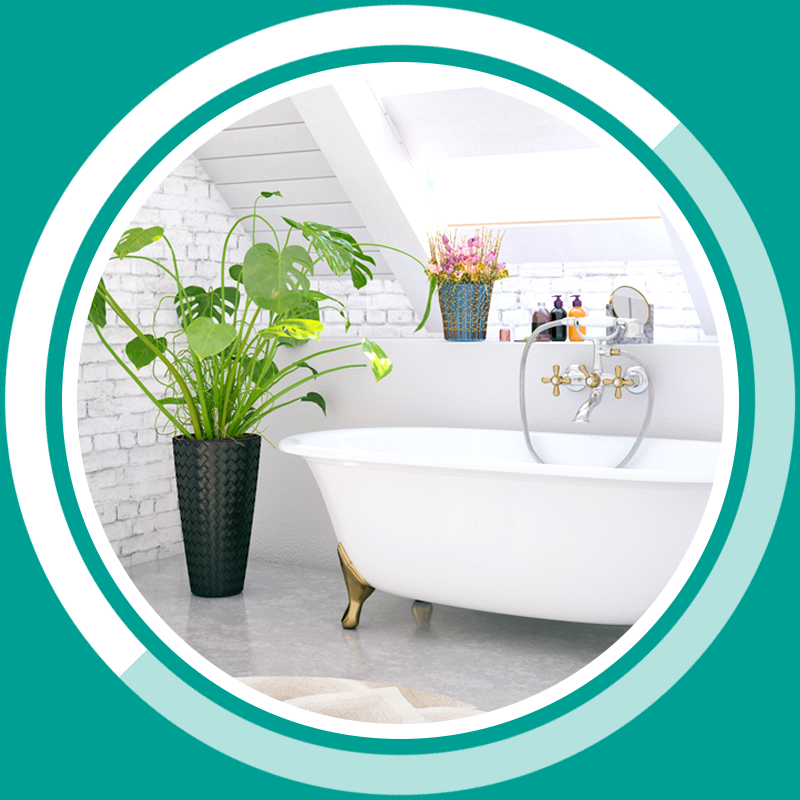
Shower wall panels are becoming an increasingly popular alternative to traditional bathroom tiles. These panels are made from a range of materials, including PVC, acrylic, and composite materials, and are designed to be installed directly onto your bathroom walls. They offer a range of benefits over tiles, including easier maintenance, faster installation, and a more modern look.

One of the biggest advantages of shower wall panels is their waterproof properties. Unlike tiles, which can be prone to cracks and leaks over time, shower wall panels are designed to be completely waterproof, making them ideal for use in wet areas. They’re also incredibly easy to clean, requiring only a simple wipe down with a damp cloth to keep them looking their best.

Installation of shower wall panels is also much faster and easier than traditional tiling. In most cases, panels can be installed directly onto your existing walls, without the need for any special preparation. This means that you can have your new bathroom up and running in no time, with minimal disruption to your daily routine.

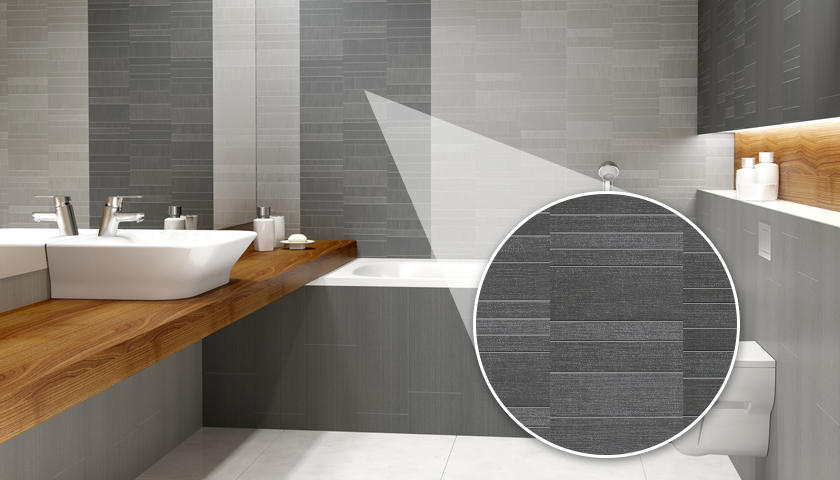
Finally, shower wall panels offer a sleek and modern look that can help to transform your bathroom into a stylish and functional space. They’re available in a range of colours and finishes, allowing you to customize your bathroom to your own unique tastes and preferences.

Overall, shower wall panels offer a fantastic alternative to traditional bathroom tiles, with their waterproof properties, easy maintenance, fast installation, and modern look making them an increasingly popular choice among homeowners.

Commercial Kitchen Design


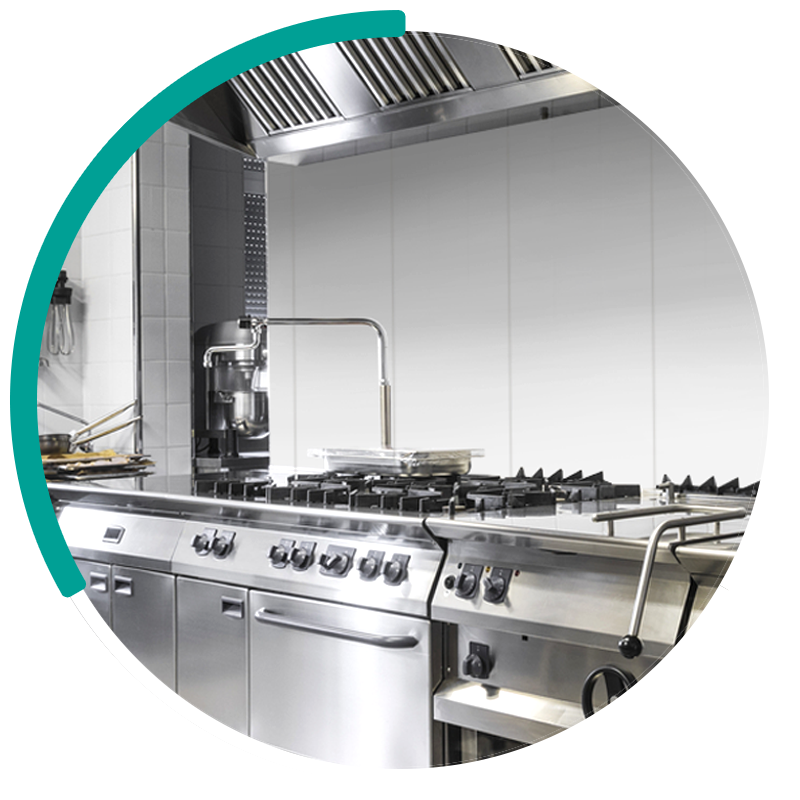
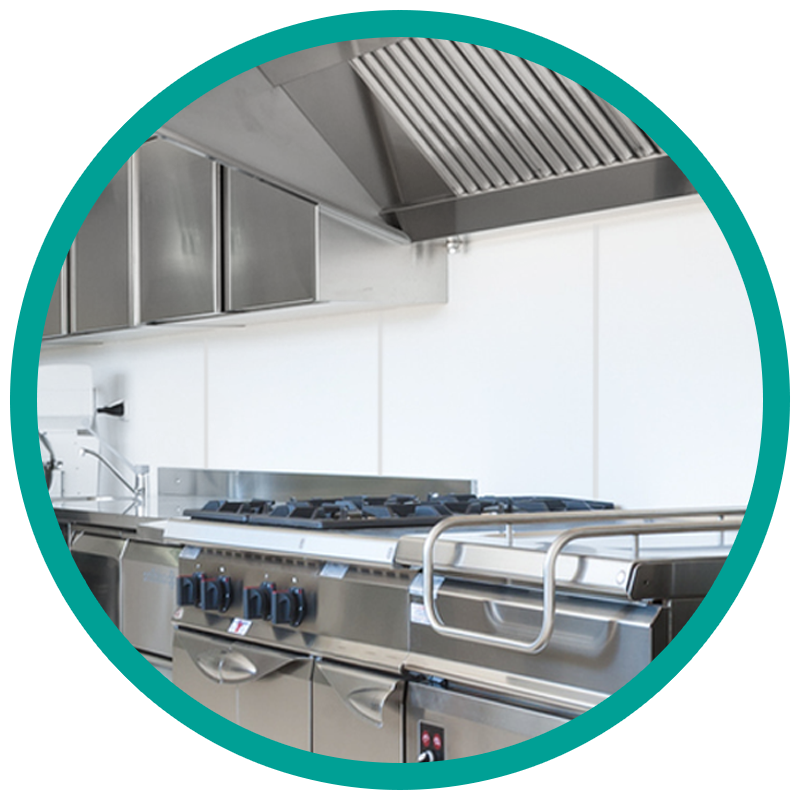
Commercial Kitchen
Design Trends For 2019

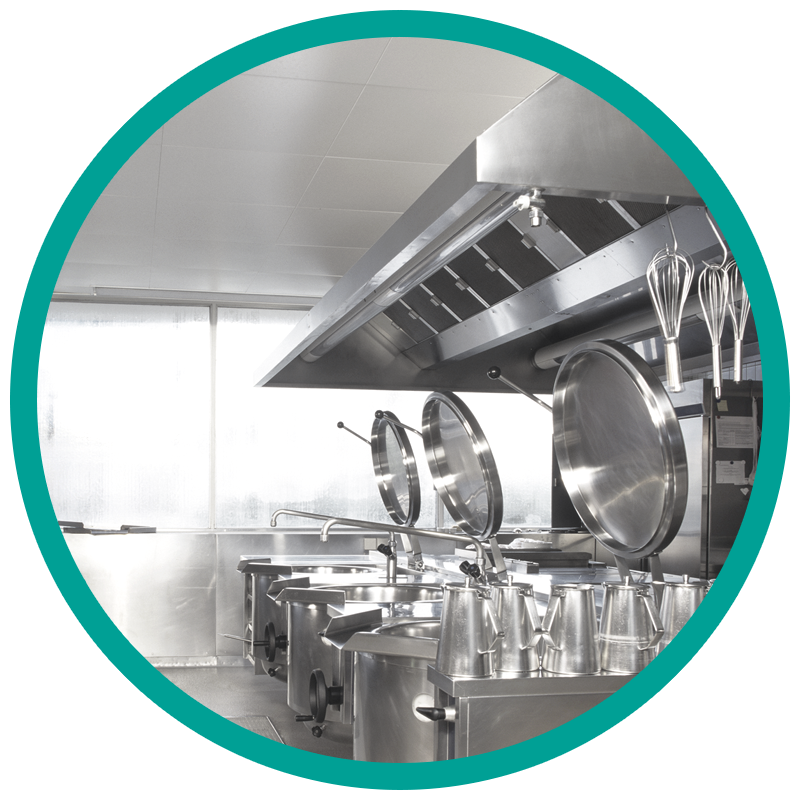
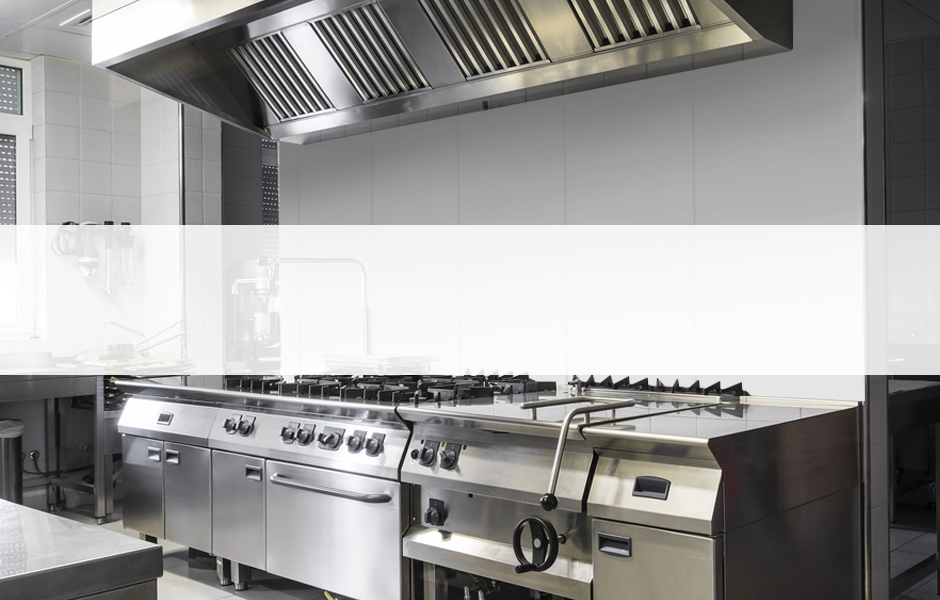
The very latest kitchen design trends seem to combine aesthetics with function, providing a clean look for surfaces while also being durable and hygienic. Here are three different types of kitchen surface coverings that we have been seeing more and more orders for since the beginning of 2019.

Plain white panels

Plain white commercial kitchen wall panels remain one of our best sellers because they are resistant to impacts and are long-lasting – for instance in a commercial kitchen they may be constantly knocked by staff pushing trolleys or moving heavy boxes around. It is important to look out for grading information when you are comparing these panels, and they can be classified as 'Premium,' 'Plus' or 'Hyper.'

Premium panels

Premium panels can usually be sourced in 2.44m x 1.22m or 3.05m x 1.22m sheet sizes, and they are suitable for installation with a variety of adhesives and trims. Our most popular design in this category is a satin finish uPVC panel.

Plus panels

Plus Grade Panels have a lightweight core and have a gloss finish.

Hyper grade panels

Hyper grade panels have the added benefit of having a highly effective antimicrobial agent added to the surface for protection against bacteria – these are often used in catering environments which have higher care requirements such as hospital kitchens.

Decorative kitchen wall cladding

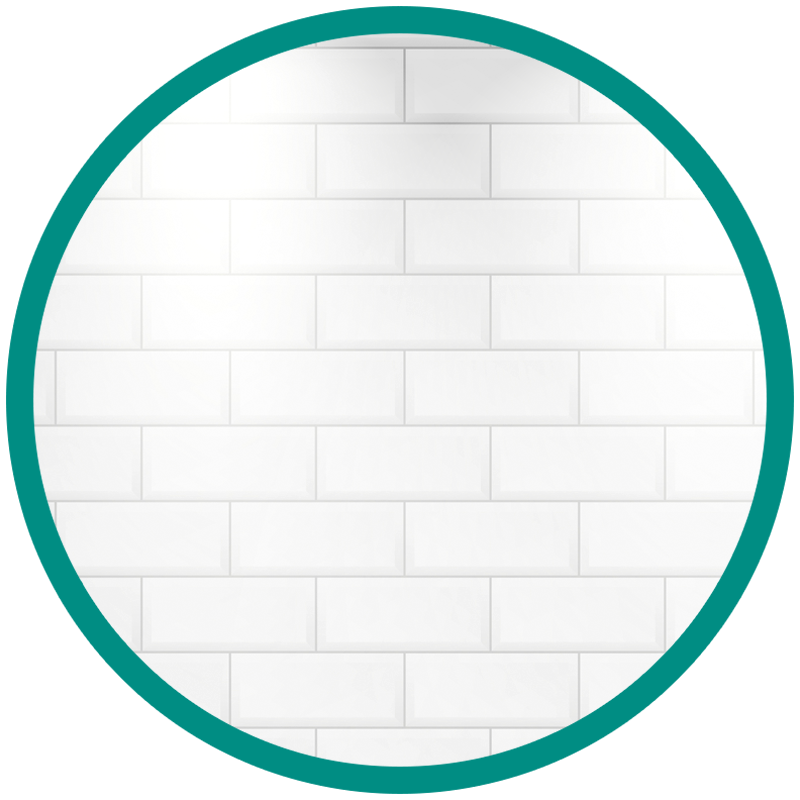
The most effective decorative kitchen wall cladding will carry out some or all of the functions mentioned above when it comes to how plain white panels are categorised, but with the added bonus of adding a distinctive look to a particular surface. 'Ice tiles' have grown in popularity in recent months as they add a distinctly cool texture, along with any style that gives the impression of a brick wall without the undesirable rough and jagged surface to the touch.

Along with these flatter options, uneven surfaces also seem to be gaining in popularity, with the brick effect having a number of different randomly-arranged depths without sticking out too far into the kitchen itself. The variation in depths is only very slight in reality, but when standing back and admiring the wall from a short distance it really does create a very striking effect.

Kitchen ceiling panels

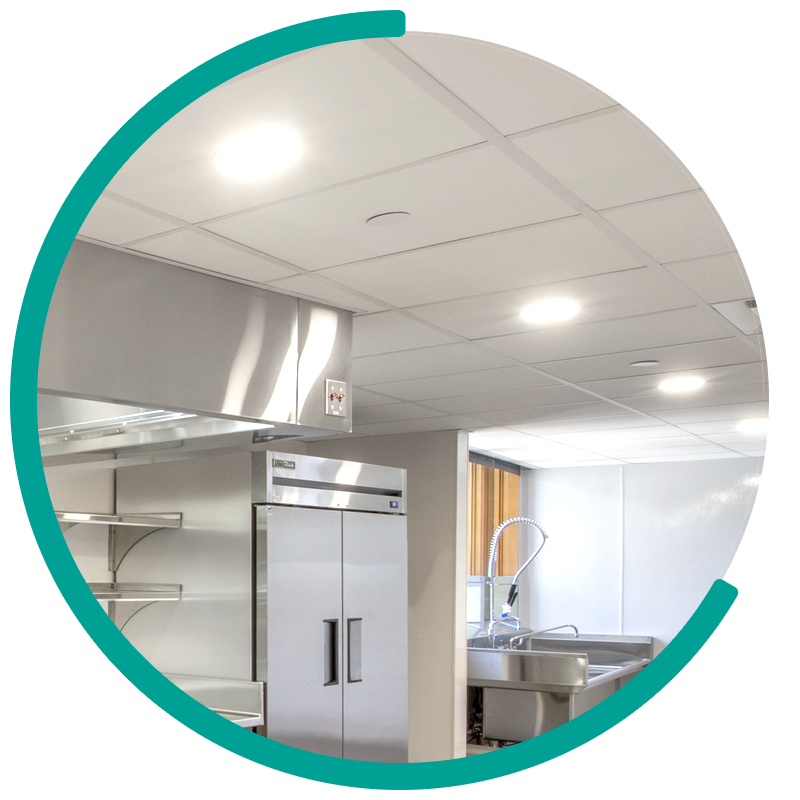
Our most popular line in commercial kitchen ceiling panels is the Proclad range, and these hygienic panels are also lightweight, durable, and flexible enough to be drilled through for the fitting of spotlights – this is a very important feature when installing them in a commercial kitchen that requires extra lighting in certain areas.

In terms of trending colours, pearl white and white with silver highlights are the most popular shades, and the latter one, in particular, gives a very eye-catching finishing touch to any ceiling due to the way that it catches the light and redistributes it around the room without it dazzling people who are trying to work.

However you decide to remodel your kitchen walls and ceiling, the team at Interior Panel Systems is ready to advise you about how you create the perfect look that also meets your functional needs.

Bathroom Wall Panels vs Tiles


Bathroom Panels vs Tiles
Which Is Best For Your Bathroom?

If you’re building, renovating or updating a bathroom, your first instinct might be to hit the tile showrooms. But stop: bathroom wall panels may be a far better option, especially for family bathrooms, stress-free decorating, or interior designs that need to be durable. One of the reasons tiles have been the automatic “go to” solution for bathroom home improvement projects, is lack of awareness that panels for this purpose even exist! For other homeowners, there’s a misconception that tiles are the only creative option.

If you're decorating a bathroom on a budget, you may also mistakenly believe that removing bathroom tiles makes a change of wall surface too expensive, or too messy.
‍
Let’s deal with these issues and myths, and more.

Shop Now

Tiles: advantages and disadvantages

The design and manufacture of bathroom tiles has advanced rapidly, providing homeowners with abundant choice and price ranges. However, the process of installing tiles can be time-consuming and expensive. It's also a tricky task, and in the wrong hands can leave you with a less than perfect surface.

Hands up if you enjoy grouting tiles, or indeed the endless task of cleaning off soap scum or mould between tiles? No matter how expert your tile fitting job, you could face repeatedly having to deep clean tiled areas in your bathroom, to keep them looking good.

Tiles can also become damaged or loose, meaning they have to be replaced. This is especially true in areas of your bathroom which are prone to spillages, splashes or heavy items being dropped.

Bathroom panels: advantages and disadvantages

Bathroom wall panels are engineered from 100% waterproof materials. They provide a high degree of hygiene in bathrooms, as they are manufactured from quality components that are mould resistant. They also provide a strong, scratch proof wall surface, even in family bathrooms that can get a hammering!

With panels, it's possible to change your bathroom décor quickly and inexpensively, making them doubly attractive as a bathroom wall idea.

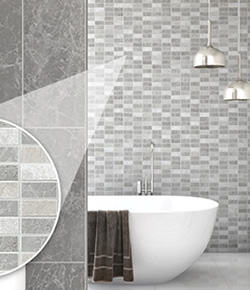
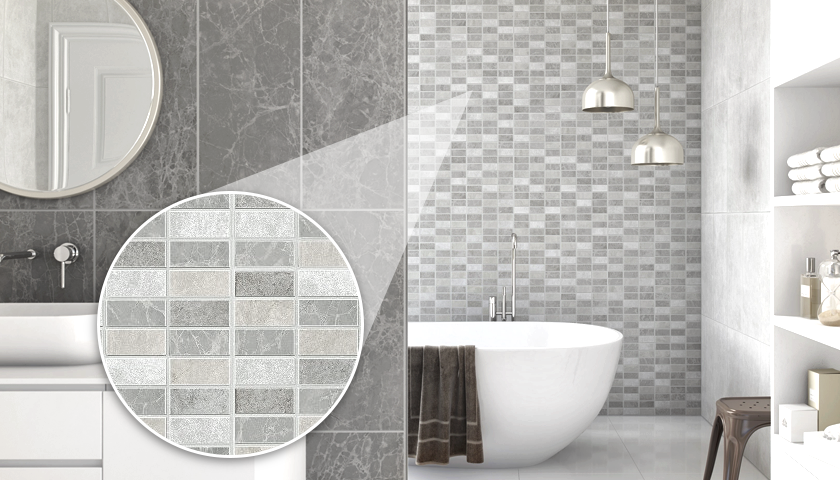
Though bathroom wall panels don’t have the same vast range of design options, just like tiles they offer a high degree of creativity and personal choice. This includes, for example, marble or stone effect, woodgrain, satin or gloss white and even mosaic patterns.
‍
Clearly, bathroom wall panels are an aesthetically pleasing alternative to tiles, as well as “boxing off” all the benefits listed above!

How easy is it to fit bathroom panels?

Having pointed out how problematic and costly tile installation is, it seems worth emphasising the simplicity of using bathroom wall panels as an alternative, not least as it's possible to fix panels securely in place on top of existing tiled walls, making it an even quicker home improvement solution. Incidentally, if you do decide to remove the tiles first, smashing them off is quicker and cheaper than painstakingly installing them!

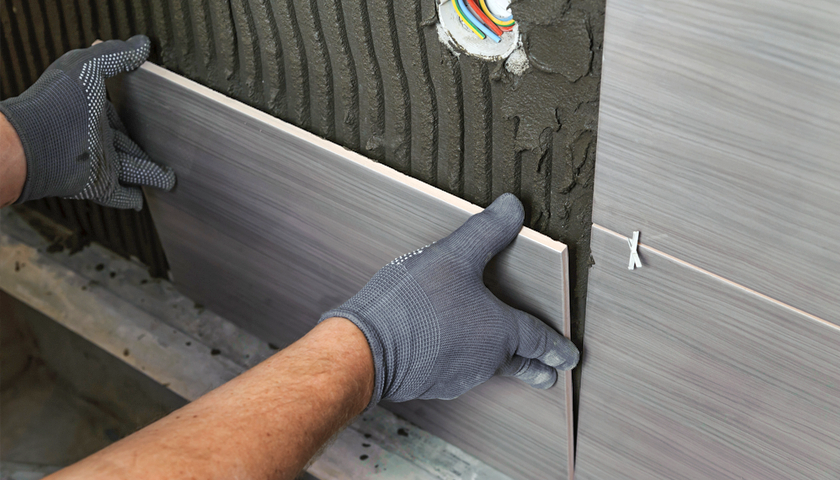
For this great bathroom idea, simply measure your wall then buy panels of sufficient size. They are designed to fit together quickly and seamlessly – usually employing a tongue and groove system.

Panels can then be fixed to the wall in a highly reliable manner.

Such is the simplicity of their installation, it's a straight forward DIY project. Not least as you can buy wall panel kits containing all the quality joints, trims, fixings, adhesives and sealants you need. Moisture and foreign materials can be wiped off easily and quickly, and your bathroom panels will stand the test of time.
‍
In fact, you will be “en-tile-y” happy with the result!

Shop Now

Budget Bathroom Makeover


The Ultimate Bathroom
Makeover Guide

If your bathroom is looking a little worn out, dull and faded, you might need a renovation. Planning to overhaul the look of your bathroom can be challenging, but it does not have to be if you know what you want. Here are a few pointers to start you off in the right direction when it comes to a bathroom makeover:

Shop Now

Creating a budget and sticking to it

Remodelling can be costly, and your budget can soon overrun if you don't plan the work properly. Make sure you communicate clearly with labourers and contractors about what it is you want. That way, you'll avoid the need for additional fees for material changes, labour, and scheduling adjustments.

Even if you do the makeover yourself, you will still run into extra costs when it comes to buying new materials. It is always advisable to create a planned layout of the fixtures, materials, labour, finishes, and remodelling time frame. All these should be incorporated into your budget.

Inspiration and ideas

Bathroom Panels

Lighting

Patterns

Have you considered bathroom shower panels for your bathroom renovation? They are more waterproof than tiles, and also require almost no maintenance to keep clean. Bathroom panels do not require grouting, and they can be fixed over existing surfaces, such as tiles. Wall panels can transform your bathing space instantly, giving it a fresh, new look.

Other things you should think about in your bathroom makeover are the patterns and lighting. For a classic and elegant look, ensure your bathroom features dramatic vanity sconces. For a balanced look, install light fixtures above the pedestal sink on either side of the mirror. Strive to ensure that the lighting complements the general bathroom look without making it too glaring or too dull.

Consider mixing patterns to add character to your bathroom space. The panels, hand towels, floor, and sinks should all work together for a coordinated look. This is where your colour choice and combination determines the final appearance of the bathroom.

Choosing the right contractor

You might have all the materials right, but if your choice of a contractor is wrong, the outcome could be devastating. Go to a contractor who specialises in bathroom remodelling. Do a background check to see how much experience they have in the field. A few reviews and recommendations from their list of clients would go a long way in helping you to make an informed decision. You also should check their insurance and licence. You want to ensure they have compensation liability in case of accidents. Carefully study their proposed contract and establish how the contractor addresses unforeseen conditions.

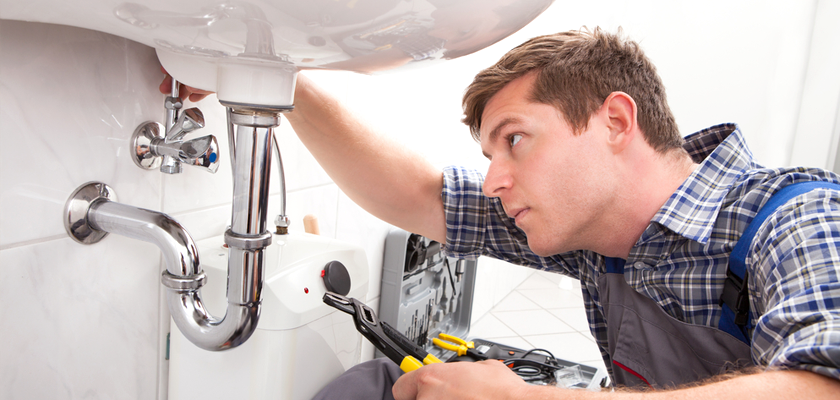
If you are going down the DIY route, it’s worth getting professional help for jobs that you are not fully confident in. Plumbing, ventilation and electrical fittings in the bathroom are areas you may need assistance with.

When it comes to wall decor, bathroom panels can usually be fitted easily by anyone with reasonable DIY skills. They are faster, easier and cleaner to install than tiling whether you are completing the job yourself or employing a contractor.

Why Use Hygienic Wall Panels In Your Commercial Kitchen


Why You Should Use Hygienic Wall Panels In Your Commercial Kitchen

There’s a great deal more awareness about the value of proper hygiene in kitchens these days. Indeed, commercial kitchens face the heavy weight of legislation in scrupulously designing and managing food preparation areas. No one wants to give people food poisoning, especially when it could endanger the lives of small children and the elderly!

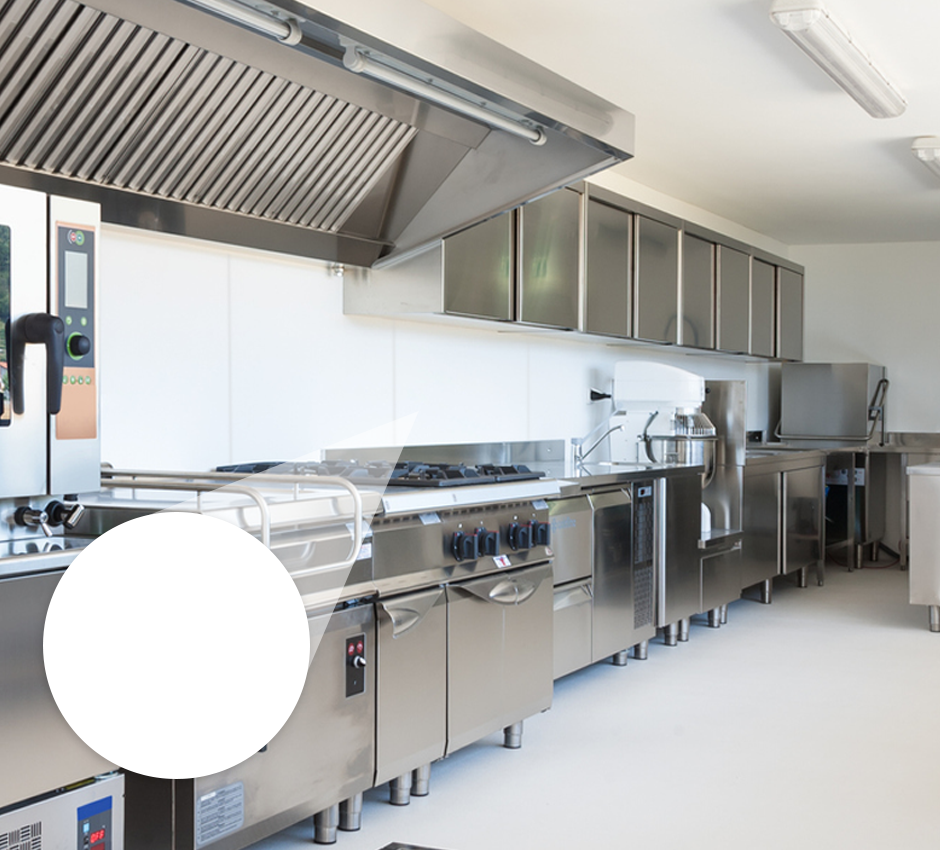
This emphasis on creating clean and sterile kitchens makes alternatives to tiles highly attractive. Especially as hygienic wall cladding is designed and engineered to look aesthetically pleasing, as well as providing the ultimate in contamination control.

Quick to install, inexpensive and durable, commercial kitchen wall panels are fast replacing less dependable surfaces.

More About Commercial Wall Panels

Are your kitchen walls a breeding ground?

Segregating food in storage, washing your hands and keeping cooking temperatures at a correct level are all now widely understood. But what about the microscopic germs that lurk in the corners and cracks of your kitchen walls? Even with the best cleaning regime, grouting on tiled surfaces can be hiding places for mould and bacteria.

That’s on top of the ever-present danger of tiles becoming loose or cracked. In busy homes or commercial kitchens, there are lots of incidents of heavy objects crashing against a tile surface. This can easily lead to scratches and hairline fissures: ideal breeding ground for unwelcome visitors!

With correctly installed PVC cladding for kitchens, this risk is eliminated.

Why wall panels are hygienic in commercial kitchens

Wall panels are engineered from quality materials and created to provide a 100% waterproof and durable barrier on your kitchen wall interior design. They are supplied in lengths to quickly cover substantial sections of your wall, slotting together to create a flawless finish.

Fixing and sealing them could not be easier, even as a DIY kitchen project. Especially if you buy a kitchen wall panel kit with all the panels, adhesive, trim and other accessories you need for effortless home improvement.

Once in place, kitchen wall panels are mould and scratch resistant. Their smooth, seamless surface is easy to wipe clean if you have condensation, splashes or spillages.

Lasting good looks for your kitchen walls too

This level of hygiene in domestic or commercial kitchens does not mean compromising on appearance!

Kitchen wall panels come in a choice of designs, to suit all preferences and interior designs. This includes solid colours, that mimic or complement the appearance of existing structures in your kitchen. You call also buy wall panels in marble or stone effects, with wood grain patterns or in gloss or matt white. The design possibilities of kitchen wall panels also include mosaic and tile-effect options. The end result can look luxurious and pleasing, but it will also be a durable kitchen wall solution. PVC cladding for kitchens is a sensible long-term purchase if you don’t intend to redecorate your kitchen again in the near future!

Incidentally, if you do have existing tiles on your kitchen walls, and don’t want the expense or mess of removing them, fear not! It’s possible to fit wall panels over the top of tiles, to create a sealed, clean surface. This all means that for a hygienic, smart and long-lasting kitchen décor, wall panels “clean up” with their long list of advantages.

More About Commercial Wall Panels

We just wanted to show you a few pics from our customers

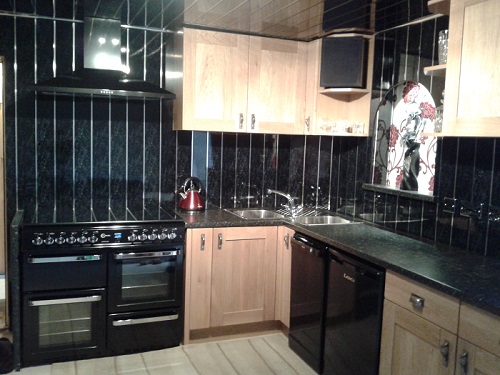
Here are a few pictures sent in from our customers – some are not very high quality but you can get an idea of the many different applications for our products – and the many many designs!

…

How to Avoid an Outbreak of Food Poisoning in a Hotel Kitchen

Hotel kitchens are busy places. Many large hotels have thousands of guests staying overnight in any given week, so kitchens have an enormous amount of work to do just to keep things ticking over at an acceptable rate. Food has to be prepared, cooked and served. Kitchens and cooking utensils must be kept clean and hygienic, no matter how busy the kitchen is. Because a hotel kitchen is such a high-pressure working environment it is not surprising that standards sometimes slip and disasters occur. Outbreaks of illness or food poisoning do occasionally happen, even in 5* hotels. So how can hotel kitchens ensure that their guests are not struck down by the dreaded food poisoning?

Clean and Spotless

All kitchens need to be spotlessly clean, but this is particularly the case in a busy hotel kitchen where food for umpteen guests is prepared on a daily basis. Worktops must be cleaned and disinfected regularly and cooking pots, pans and utensils must be kept clean and in good working order. Since food will invariably end up on the floor, this needs to be kept clean and free from grease. Basically everything needs to be cleaned thoroughly at the end of every shift and grease and grime should not be allowed to accumulate.

To make cleaning easier, surfaces should be free from cracks and crevices because these will attract dirt. Floors and walls also need to be well maintained and defects such as cracked tiles or flaking paint should be dealt with as soon as possible.

Healthy Staff

When a kitchen is short staffed, it is not uncommon for sick employees to feel obliged to return to work before they are fully recovered. Unfortunately this is counterproductive because sick employees are still infectious and there is a serious possibility that their germs will infect everyone else, including guests. Anyone with a gastrointestinal virus must stay at home until they are completely well and symptom free.

Staff Hygiene

Kitchen employees need to be made aware that washing hands every time they touch raw food, their face, or anything at all is not an optional exercise. Employees also need to keep long hair tied back or covered up, abstain from wearing jewellery, and not sneeze all over the food.

Pest Proof

It should go without saying that a hotel kitchen needs to be pest proof. After all, it would be rather unfortunate if an environmental health inspector walked in to find an employee chasing a giant rat around the kitchen with a rolling pin in hand. Rats, mice and other pests spread disease and cause havoc in kitchens. Ideally they should be prevented from entering the kitchen in the first place by blocking up any possible holes where a rodent can find entry. If that fails, lay traps and call in the pest control experts before the problem gets out of hand.

The risk of a food poisoning outbreak in a clean, well-run kitchen is very low, but you can’t afford to rest on your laurels. Make sure you have strict hygiene protocols in place and monitor standards at all times. And consider using commercial grade Proclad panels to ensure an extra level of hygiene.

How to Keep School Changing Rooms Clean and Tidy

School changing rooms have to put up with an awful lot of wear and tear. Kids pile in there before PE lessons in order to change into sports attire. They may also spend time in the changing rooms after lessons, chatting and socialising, all of which can make it a tough area to keep clean. If changing rooms are also equipped with a shower block, you then have the added problem of high humidity in the atmosphere to contend with. So how can you ensure changing rooms are kept clean and tidy?

Regular Cleaning

Cleaning is essential. A dirty changing room can lead to the spread of disease and infection. Any area where lots of people are in regular close proximity can very easily become a breeding ground for bacteria and viruses. The best way to keep on top of this is to have a stringent cleaning program in place. This should involve the wiping down of hard surfaces and vacuuming up of dust and dirt at least once per day. In the case of shower areas, regular cleaning is essential to prevent the build up of mould and mildew, both of which can be hazardous to the health. Further deep cleaning should also be carried out on a weekly and monthly basis.

Keep Areas in Good Decorative Order

Peeling, flaking paint in changing rooms looks nasty and is bad for the health of those who spend time in there. It also makes surfaces difficult to clean and therefore decorative surfaces must be kept in good order. Walls and other areas of high traffic should be repainted regularly, although it may be preferable to clad walls in low maintenance Proclad PVC panels instead of using paint.

Efficient Ventilation

Ventilation is very important, but if there are high levels of humidity, it is even more important. When there is insufficient ventilation, mould and mildew will soon become a problem. Wiping down surfaces with cleaning solutions should help to keep mould and mildew at bay, but it is also a good idea to ensure painted and tiled surfaces are kept in good order. An alternative is to use PVC cladding instead of tiles to ensure a seamless, waterproof and easy to clean surface instead.

Effective Storage

Changing rooms are the dumping ground for all kinds of stuff: sports kit, coats, random fitness equipment and a few odd socks. Leaving stuff lying around in changing rooms is not good for anyone’s health, not least because people are likely to trip up over stray shoes and footballs. A dirty PE kit is also a breeding ground for bacteria and it has a nasty tendency to smell. Changing rooms need lots of storage space: hooks for hanging clothing, benches and seating areas, and lockers for secure storage.

Changing rooms, like any other part of a school, needs careful planning. Health and safety is an important issue when you are dealing with members of the public. Legislation should be adhered to in order to prevent accidents occurring. But most importantly, changing rooms need to be kept clean and tidy, just like the rest of the school.

Kitchen Nightmares – How to Avoid Them

Commercial kitchens are usually very busy environments. Dozens of staff work side by side, preparing and cooking food over the course of a few intense hours. This, combined with a hot, moist atmosphere, can make it hard to keep everything as clean as it should be. So as you might expect, things can and do go wrong on the health and hygiene front. Here are the main causes of kitchen nightmares in restaurant, hotel and takeaway kitchens.

Dirt and Grime

A kitchen is the one environment where you cannot afford to let dirt and grime build up. Ideally a commercial kitchen needs to be thoroughly cleaned every day, preferably at the end of the day. Surfaces should be de-greased and disinfected, rubbish dispensed with in an appropriate manner, and all remaining food properly stored in a secure location. Dirty floors, grease splattered walls and several years’ worth of dust lying over everything is not the way a kitchen should look.

Rodents on the Prowl

Rats and mice in a kitchen are considered to be vermin under any circumstances. Both spread disease—bubonic plague anyone? When running a commercial kitchen, it is important that rodents are not allowed to have a party the moment everyone leaves the premises. Floors and work surfaces must be kept stringently clean and if vermin are suspected, pest control experts should be consulted immediately or customer health is at risk.

It’s a Bugs’ Life

Cockroaches are probably the most vilified creatures on the planet. Unfortunately they are also one of the most difficult bugs to kill. Indeed it is often said that in the event of a nuclear holocaust, cockroaches will probably be the only creatures left alive! Cockroaches running riot in a commercial kitchen is not good. Cockroaches look disgusting and spread disease, so if you spot one scuttling across the floor in your local takeaway, don’t bother ordering any food.

Food Poisoning Nightmares

Food poisoning is no joke and a nasty case of botulism could quite easily kill you if it isn’t treated in time. This is why outbreaks of food poisoning always make the headlines, especially if the outbreak is linked to a well-known restaurant chain or celebrity chef. Heston Blumenthal’s flagship restaurant, the Fat Duck, was hit by an outbreak of Novovirus, which was caused by contaminated shellfish. It was later reported that the problem could have been better contained if sick staff had stayed at home instead of returning to work too soon.

Environmental Health Inspections

If you are in the restaurant business, an environmental health inspection is probably your worst nightmare. However, as long as you are following health and hygiene procedures, you shouldn’t have anything to worry about. And if your kitchen is filthy, full of vermin, and the food is stored incorrectly, it’s probably too late to do anything about it because you won’t be in business for much longer.

Don’t ignore kitchen hygiene. For best results, make sure surfaces are cleaned regularly and food is stored correctly. Proclad panels will help in this regard as they are easy to clean. This should help you to avoid any major kitchen nightmares.

How to Control Hygiene in Meat Production

Although a small percentage of the population don’t eat meat, the majority of people enjoy tucking into a steak or a sausage or two and the meat production industry is big business. From abattoirs to meat processing plants, there is a long journey from the cow shed to the supermarket shelf. Hygiene plays an important part in this journey and if correct hygiene procedures are not followed, diseases can enter the human food chain.

The Importance of Hygiene in Meat Production

Raw meat is full of dangerous pathogens, including E-coli, Salmonella and Listeria. Unless great care is taken, these pathogens can end up in processed meat that is destined to be consumed without any further cooking. If that happens, the end result can be deadly. Every year, people die as a result of infections such as E-coli, something that could easily be prevented if correct hygiene protocols had been followed during the meat production process.

HACCP Principles

Hazard Analysis and Critical Control Point principles (HACCP) provide a framework for identifying food safety hazards in a meat production environment. Hazards must be identified and then prevented or reduced to acceptable levels. Actions plans must be carried out and then checked regularly. Appropriate measures must then be taken if food safety is found to be at risk.

Clean Animals

Cattle, sheep, and any other animals destined for slaughter have to be presented in a clean state. Each animal is inspected before it is accepted by the plant operator and if it is dirty or otherwise contaminated, it won’t be admitted into the facility. The reason for this is simple. Research has shown that if an animal is slaughtered whilst in an unclean state, its carcase is far more likely to be contaminated, which in turn presents a risk to human health.

Red Meat Safety

Although slaughtering dirty animals is known to lead to the spread of disease, the danger doesn’t stop there. Even clean and healthy animals can have dangerous pathogens lurking in their digestive tracts. Contamination can be spread via dirty equipment, floors, animal pen walls and anywhere else the animal comes into contact with, before or after slaughter.

Slaughter House Safety

Animal housing should be well ventilated with plenty of clean bedding. This helps to prevent further faecal cross contamination between animals prior to slaughter, although animals are normally clipped to reduce this risk. Floors, walls, metal railings, and feed troughs all need to be kept clean and disinfected regularly to prevent the spread of disease. Proclad PVC panels are an excellent choice for this type of environment as they are easy to clean. Once the animal has been slaughtered, the carcasses need to be processed in a controlled environment to prevent the meat coming into contact with dirt, dust, mould spores and any other type of contamination.

The economic consequences of not adhering to strict hygiene protocols in the meat processing environment are serious. Outbreaks of food poisoning can lead to the processor being heavily fined if the outbreak is traced back to them. There is also an associated healthcare cost as well as the loss of productivity when people are struck down with illness. All of this can be avoided if hygiene rules are followed.