IPSL

How to Prevent the Spread of Disease and Infection

Nobody likes being ill. It is miserable being bedridden, sick and unable to do anything apart from feel poorly. Unfortunately there is no way to avoid being ill at least some of the time, but if you are careful and look after yourself as well as your living environment, it is possible to avoid succumbing to viral infections and other nasty diseases.

Nice Clean Hands

A good way to prevent the spread of disease and infection is to wash hands regularly. Many bugs and viruses are passed from skin to skin contact. For example, a sick person sneezes into their hands and then touches a railing. Ten minutes later you touch the same railing and then rub your face. Germs from the sick person are passed to you, even though you have not actually come into contact with that person. So wash your hands and, even better, take antibacterial hand rub if you travel on public transport.

A Hygienic Kitchen

Keeping your kitchen clean and spotless is a good way to avoid food poisoning and other nasty infections found in meat and other foods. Undercooked meat, spoiled foods and food that hasn’t been cooked properly can easily make us ill. You also need to make sure you wash fresh fruit and vegetables, disinfect work surfaces regularly, and beware of cross contamination between raw and cooked foods. Antibacterial commercial grade Proclad panels are perfect for kitchen environments. Oh yes, and don’t forget to wash your hands before preparing food!

Eat a Healthy Diet

Eating a healthy diet will go a long way towards protecting you from viral infections and illness. Include lots of fresh fruit and vegetables in your daily diet as these contain essential vitamins and minerals to boost your immune system.

Take Regular Exercise

Regular exercise is also important for maintaining a healthy immune system. Try and do at least thirty minutes of vigorous exercise, three times per week, as this will help you fight off the bugs you come into contact with on a daily basis.

Practice Workplace Hygiene

Workplaces are full of germs: computer keyboards, electrical equipment and desks are teeming with bacteria and bugs, so it is not surprising that we are more likely to catch colds and viruses from work than anywhere else. And when you add the perils of working under an air conditioning vent for eight hours per day, it’s a wonder everyone isn’t permanently off sick!

Sick Person Alert

Unfortunately, this is part of the problem. People tend to drag their weary bodies into work even when they are not well. As a result, germs linger on and infections are spread from one person to another. This is a major problem in hospitals, despite that they usually have strict infection control measures in place to prevent the spread of disease. So if you are feeling ill or suffering the effects of a viral infection, do everyone a favour and stay at home until you are feeling much better.

Infection and disease is difficult to avoid unless you live in splendid isolation, but if you follow the tips above, you should limit your chances of developing a major illness.
Is Hygiene Important in a Bakery?

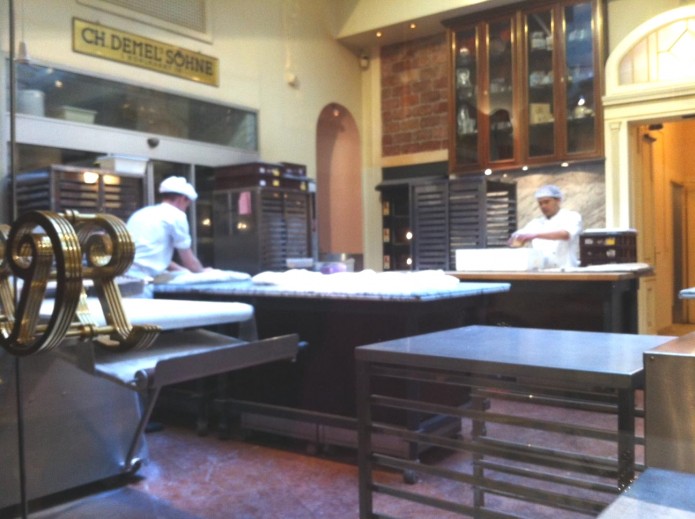
Practicing hygiene is very important, whether you are working in a commercial kitchen or preparing food at home. Washing hands and keeping work surfaces clean and disinfected could prevent you from falling ill with a stomach bug or worse, E-coli. Of course hygiene is just as important in a bakery. Food here is prepared from fresh ingredients, just as it is in a restaurant.

A bakery makes fresh baked goods, including bread, pastries, cakes and savoury snacks. Food is prepared and baked in ovens before being cooled and placed on display for customers to peruse and buy. Since baked goods could easily be on display for several hours at a time if business is slow, it is important that everything is done to ensure health and hygiene protocols have been followed to the letter.

Cleaning the Work Area

Work areas need to be kept clean at all times. Surfaces should be wiped down with hot, soapy water and disinfected with an appropriate cleaning solution. Work surfaces need to be smooth and free from cracks, crevices and anywhere else where dirt and grime can easily become trapped and allowed to fester. Stainless steel is a common material for work surfaces and food preparation areas, but Proclad commercial grade panels are a good alternative as they are easy to clean and very hygienic.

Hygienic Equipment

There is a lot of specialist equipment used in large bakeries, including machines for mixing dough, proofing cabinets for bread, and ovens for baking. Some items, in particular the proofing cabinets, are the perfect breeding ground for bacteria and other nasty micro organisms. These all need disinfecting to prevent the growth of bacteria. You also need to ensure that the areas where baked goods are left to cool prior to packaging are kept clean and hygienic.

Hygienic Employees

Working in a bakery involves handling food constantly. This means that basic food hygiene practices need to be followed at all times. Employees must wash their hands before, during and of course after all aspects of food preparation. Hand washing is also essential after breaks, toilet or otherwise. Hair should be covered up to avoid stands of hair falling into pastries and loaves. The same applies to jewellery: finding an earring inside a bread roll isn’t ideal, although customers probably won’t be complaining if they find a diamond ring inside a cupcake.

Pest Control

Availability of food is the main reason why pests such as rats and mice make their home inside a bakery. All pests love a free meal and mice and rats are no exception. If food is allowed to accumulate on the floor and in dark corners of the work space, it won’t be long before vermin think they are staying in a five star resort. To avoid vermin becoming a problem, keep the floor spotlessly clean and ensure there are no places where vermin can find their way in.

Implementing basic hygiene in a bakery will prevent customers from falling ill. This in turn will ensure that business continues to be profitable.

The Top 5 Killer Infectious Diseases

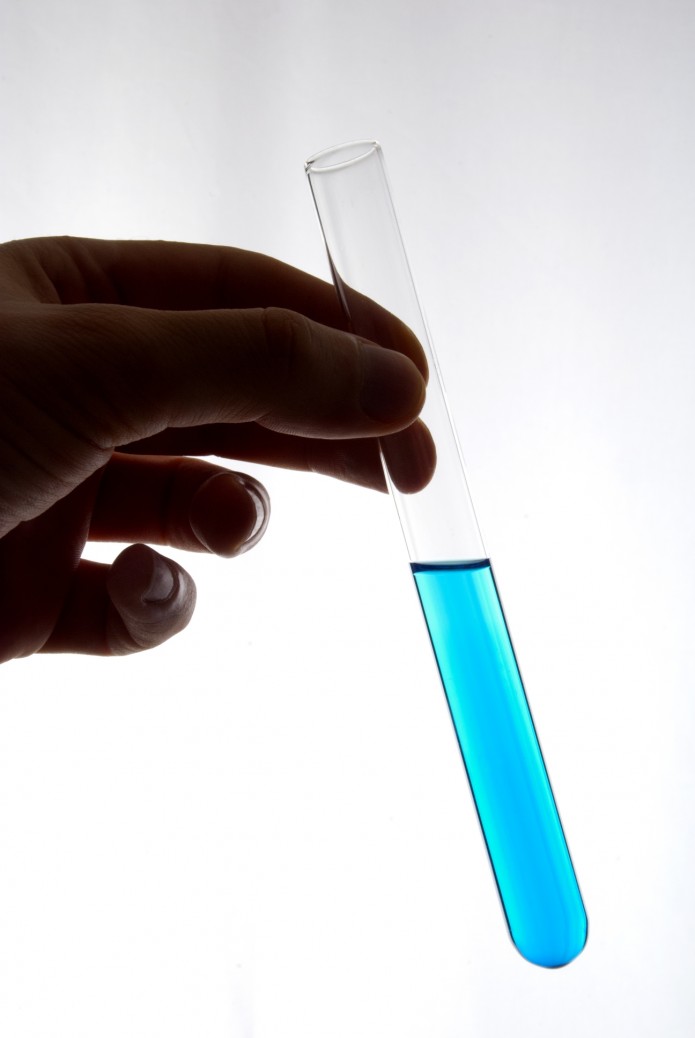
Despite advances in modern medicine, there are still plenty of nasty killer diseases out there. Some are exceedingly rare and unless you head into the jungle in some remote locale, you are unlikely to succumb to them. Others are less rare, but just as dangerous—influenza being a prime example. Thankfully most people will never be unlucky enough to catch a dose of Ebola or bubonic plague. But just in case these nasty diseases ever become a major concern in the wider population, there are lots of scientists slaving away over test tubes in laboratories in an effort to find out what makes these diseases tick.

Ebola and Hanta Virus

Haemorrhagic fevers such as Ebola and Hanta virus are seriously nasty diseases. Thankfully outbreaks have (for now) been confined to remote locations in Africa. There is no cure for these diseases, although not everyone who becomes infected will die. The viruses are passed through direct contact with animal faeces or another infected human. Once the viral infection takes hold, the victim will bleed to death from the inside out.

Naegleria

Naegleria is a brain-eating amoeba, commonly found in bodies of warm water in the Deep South of the US. This nasty little creature finds its way in through the nose and once happily in situ it makes its way to the brain where it feasts on brain matter. Most people don’t last long once that happens since brains are key to our existence.

Rabies

Most people have heard of rabies. In fact depending on whereabouts in the world you live, you may even have had it drilled into you to stay well away from animals that are foaming at the mouth and trying to attack for no good reason. Yes, in some places rabies is still a big killer, even though there is a vaccine to prevent and cure a rabies infection in humans and animals, both wild and domesticated. Unfortunately, once the infection has taken hold and madness has set in, it’s game over.

MRSA

Once upon a time, antibiotics were lauded as the best thing ever and we all thought that nasty bacterial infections were a thing of the past. Sadly, thanks to overuse and misuse, there are now some strains of bacteria that are completely resistant to all known types of antibiotics, which is a bit worrying to say the least. MRSA is a well-known example, but there are others, including Pseudomonas aeruginosa. Worse still is the ability of MRSA to lead to ‘necrotozing faciitis’, a nasty flesh-eating side effect.

Mad Cow Disease

Mad Cow Disease, or bovine spongiform encephalopathy, first hit the headlines in the mid-90s. The human variant, Creutzfeldt-Jakob disease, entered the food chain as a result of barbaric farming practices whereby cows were fed food made from contaminated cattle remains. The infected cow was then slaughtered and turned into burgers. Or at least that is the simplistic version of events. Anyway, the end result was that a lot of people’s brain turned into Swiss cheese as a result of eating Mad Cow burgers.

This list is only the tip of the disease iceberg and there are plenty more nasty infections and parasites out there! This is why hygiene is so important in laboratory conditions—imagine the consequences if poor hygiene led to an outbreak of disease? So it’s not surprising that commercial grade Proclad panels are a popular choice for this type of working environment.

How to Keep Dogs Healthy in a Kennel Environment

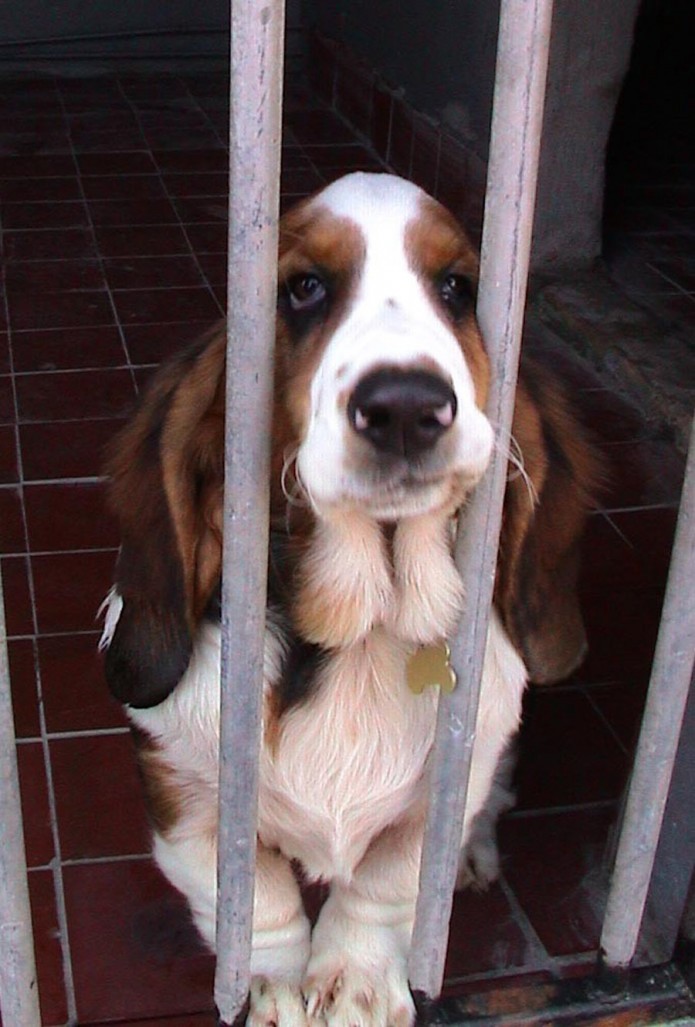
A healthy dog is a happy dog, which is why it is important to keep dog kennels clean for the duration of the animal’s stay. If you fail to look after your animal correctly and don’t keep his kennel nice and clean, he will soon end up sick and miserable, which is not fair on him and costly for you should you have to take him to the vet for treatment. You also run the risk of becoming ill, too. However, this unhappy state of affairs can easily be avoided by maintaining kennel hygiene standards at all times.

Cleaning a Dog Kennel

Cleaning a kennel isn’t rocket science, but you do need to do it properly because if you miss any surfaces during the cleaning process, germs and bacteria will be left behind and re-contamination will occur. Kennels need to be cleaned out at least once per day—preferably more if at all possible.

  • Remove the animal and equipment– Always take the dog out of his kennel before you start cleaning it. Place him somewhere safe and then take out everything else, including food bowls, bedding and toys. Wash all bowls, bedding and toys and leave to dry.
  • Scoop out the poo – Remove all solid matter and clumps of dog hair and then hose everything down with hot water.
  • Disinfection – Prepare a solution of disinfectant (follow the instructions on the bottle to ensure the correct dilution). Disinfect all surfaces: floors, walls, bars and everything else. Once the entire kennel is covered in a solution of disinfectant, use a stiff brush to scrub every surface thoroughly. Be careful not to miss any small nooks and crannies, particularly door handles, latches and hinges. At this point you may need to leave the disinfectant to do its magic—read the instructions if you are not sure.
  • Rinse and dry – Using hot water, rinse off the disinfectant until no more remains (this is important because if any disinfectant is left behind it could irritate the dog’s skin and respiratory system). Once you have rinsed the kennel, remove as much of the excess water as possible and leave the kennel to air dry.
  • Put everything back in place – Now that you have cleaned the kennel, clean bedding, toys, food and water bowls, and of course the dog, can be put back inside.

Make Life Easier

Cleaning kennels is a lot easier when the kennel surfaces are smooth and free from cracks and other imperfections. Concrete floors are the norm, but there are other alternatives if you are concerned about hygiene. Proclad PVC panels can be used to clad concrete walls and other kennel surfaces. These are easily cleaned and resistant to dirt and bacteria.

Tips for Keeping a Kennel Clean

Place a dog’s bed, food and water bowl near the kennel door. Most dogs don’t like to foul the sleeping and eating area, so this will ensure he does most of his business at the back of the kennel. If you do the reverse, he is likely to paddle through the mess when he comes to greet you at the door so it won’t be much fun for you when he jumps up with mucky paws.

Five Reasons Why Poor Hygiene in Hospitals is a Killer

You might assume that a hospital is a safe place. After all, we go to hospital when we are sick and need urgent medical care. Unfortunately, a lot of hospitals are actually dangerous places to go and many people end up worse off than before they went in. For example, it is not unheard of to go into hospital for a routine operation and end up contracting a lethal bacterial infection whilst you are recovering from your surgical procedure, often as a result of poor hygiene. This is why hygiene is so important in a hospital—poor hygiene can quite literally be a killer!

1. Spread of Disease

The most obvious reason why poor hygiene is so dangerous in a hospital environment is that it can cause the spread of disease. People in hospitals are generally sick. Their immune systems may also be compromised and any exposure to bacterial and viral infections can make them sicker. Regular cleaning and hand washing regimes won’t prevent the spread of disease completely, but it will make a huge difference.

2. Post Operative Infections

Serious infections such as MRSA can be lethal under any circumstances, but when they attack a seriously ill person who is recovering from a major operation, the end result is often fatal. The person already has enough on their plate without having to fight a dangerous infection that is resistant to all types of antibiotics. Good hygiene practice has been proven to play an important role in these kinds of scenarios.

3. Ward Closures

Outbreaks of viral infections as a result of poor hygiene are often responsible for closing down entire wards as the hospital tries to control the spread of the illness. With fewer beds on offer, sick people may be turned away from their nearest hospital and end up being ferried to a hospital many miles away, and if that person is seriously ill, the extra transit time could spell the death of them.

4. Staff Shortages

Bed shortages are a big enough problem, but if there are a lot of people struck down with something as rampant as Novo virus it won’t only be the patients who are affected. Nursing staff are just as vulnerable to nasty bugs. Unfortunately, if there is a large number of staff off sick, nursing care will suffer and more patients will die as a result.

5. Financial Implications

Poor hygiene will lead to outbreaks of disease and an increased number of people who need to be kept in isolation units. Also, if members of staff are off sick, agency staff will be called in to cover their shifts. Each scenario will cost the hospital Trust money, which in these straitened times is no laughing matter.

Hygiene and Infection Control

The best way to prevent all of the above problems is to implement a thorough program of hospital hygiene and infection control measures. Surfaces need to be deep cleaned regularly to prevent a build up of dust and dirt, thus cutting down the incidence of cross-infection; Proclad panels can be an enormous help in this regard. Effective hand washing should also be encouraged for both staff and visitors.

Top 5 Kitchen Hygiene Nightmares

Hygiene is very important in a kitchen because this is where food is prepared. Unfortunately a lot of kitchens are less than hygienic, which can lead to all kinds of nasty problems such as food poisoning. In a domestic kitchen, this is not so much of a problem. After all, you only have yourself to blame if you end up with a bad stomach as a result of failing to clean up regularly. But in a commercial kitchen, poor hygiene can lead to all kinds of issues. Customers may end up sick, the restaurant manager/owner fined lots of money, business suffers, and in the long term the premises could be shut down. So what are the five kitchen hygiene issues that you need to be aware of?

Grease and Grime

Unless all you ever do is prepare a salad or two, grease is unlikely to build up on work surfaces, machinery and kitchen storage areas. Grease in turn attracts dirt and dust, which is why kitchens need to be cleaned thoroughly every day. Grease can be tackled with hot, soapy water and de-greasing cleansing solutions. Ideally work surfaces should be easy to clean and free from cracks and other imperfections where grime and grease can build up. For this reason, stainless steel or commercial grade Proclad uPVC panels, counter tops and splashbacks are the most effective materials for a commercial kitchen.

Vermin on the Loose

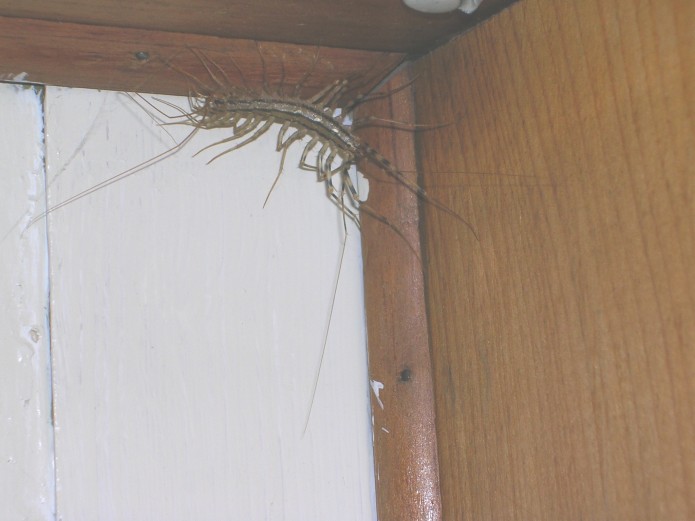
Rats, mice, ants, cockroaches, and other nasty creatures are not normally welcome in a kitchen, the reason being that they spread disease and contaminate food. The best way to avoid an infestation of vermin is to keep your kitchen clean and tidy. Pests tend to frequent places where there is a ready supply of food, so if you drop scraps on the floor, leave food uncovered or in an easily accessible location, you are asking for trouble.

Wash Your Hands!

Anyone preparing food should wash their hands before handling food, in between handling raw food and other ingredients, and after visiting the toilet. Basically you should wash your hands before you do anything, just to be sure.

Food Storage Disasters

Food needs to be stored correctly at all times. Meat, dairy and fresh food should be stored in a temperature controlled environment and dry food is best stored in sealed containers to avoid contamination from insects and vermin. Raw food needs to be kept separately from cooked food to avoid cross contamination problems.

Flaky Walls

In an ideal world, kitchens would be spotless with immaculate walls, floors and ceilings. Sadly this is not always the case and it is not uncommon to see uneven floors, cracked tiles and flaking paint in areas where food is prepared. This type of problem can be avoided by keeping up with a maintenance schedule or replacing worn tiles and flooring with purpose designed PVC panels for a more hygienic finish.

Don’t wait until you have a ‘surprise’ visit from your local environmental health inspector before addressing serious kitchen hygiene issues. Deal with issues before they become a threat to your business—your customers will thank you.

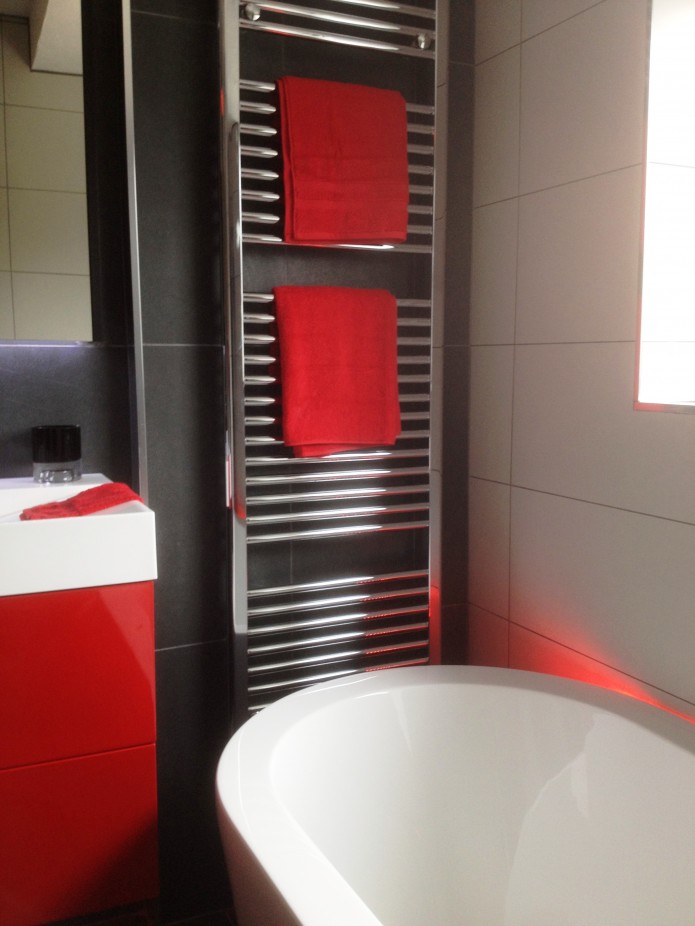
Easy ways to refresh your bathroom

We’ve all been there: the bathroom desperately needs a redo, but you just can’t face the prospect of signing it away for a week and letting the plumbers wreak havoc. So what happens? It gets put on hold. We’ll sort it next spring. It can wait until the new year. Yet many people are now reaping the benefits of quick, easy solutions, that can in many cases be done as DIY projects, and completed in just a couple of days.

I can see for tiles and tiles

Tiling is a guaranteed remodelling technique. Those guarantees include: hours spent fixing tiles to the wall; grout becoming a future home for dirt and mould; one cracked piece ruining an otherwise pristine wall. Plenty of companies now offer large panels which essentially replace the job of tiles, for a fraction of the installation time. The installation method is pretty much the same, but instead of making up an entire wall with numerous small parts, the entire height of the wall is covered in one go. Here’s a tip: be sure to ask for a sample from your provider, and then give it a solid whack. Much as with the aforementioned cracked tile, there’s nothing worse than slipping in the shower and having your elbow go straight through a cheap, fragile panel. Make sure you know you’re buying quality; check for companies with a reputation for after sales care.

It’s all about the little things

As tempting as it might seem to tear out an entire suite and start from scratch, consider that it might be the smallest items that make the biggest difference. What will guests see more of when they step into your bathroom: the shower unit that’s past its best, or the curtain and/or screen that covers it? Instead of replacing your old windows, perhaps a different set of blinds, or new lights, might give you the effect you’re looking for? You might resent your nasty old toilet, but perhaps those marks are rust residue caused by the ageing screws of your toilet seat? Try small changes first before committing to any larger project ideas.

You’ve lost that loving ceiling

A traditional hotspot for damp and mould to meet and greet, your ceiling can be reclaimed and made mould-proof, and in an easier fashion than you might think. The “usual” method – dry it out, scrub it away, and repaint – is basically resetting to zero and allowing the problem to begin all over again. Tongue-and-groove PVC ceiling planks are your solution here: PVC is essentially damp-proof, so while you’d still dry out and scrub away any existing problematic areas, you would then seal away the newly dry and mould-free ceiling with a mould-resistant covering. Sounds like a tough job? So long as the existing ceiling is substantial enough to be screwed into, then this is extremely straightforward. Fix one panel at a time, with the screws going into the groove sections. When you come to slot the next panel into place, the tongue will cover up the screws. Plus, if your ceiling is the victim of a trend or fad from yesteryear (artex, we’re looking at you) you can fix battens first and then simply screw into those. Job done!

Health and Hygiene Down on the Farm

Several hundred years ago, farming was a family enterprise and farms were fairly small in size with a few cattle, some sheep, goats and chickens. But times have changed and today’s commercial farms are vast and run very much as a business. Many farms have hundreds of cattle and sheep, not to mention sheds full of poultry, and with so many animals living in close proximity to one another, health, welfare and hygiene is a major consideration.

The Dangers of Intensive Farming

Intensive farming has become the norm over the course of the last one hundred years. The world’s population is increasing daily and there are a lot of hungry mouths to feed. Intensive farming is able to produce large amounts of milk, eggs and meat, but the cost is often high. Many believe that intensive farming poses a huge risk to the health of humans and animals. And if health and hygiene rules are not adhered to, we could be facing a major health crisis in years to come.

Cattle and Milk Production

Milk is sterile whilst inside cows’ udders, but the process of milking cows by machine can easily introduce infection and contamination, which is bad news for the cow and for the end consumer of milk taken from the cow. Milk hygiene needs to be addressed on many levels.

  • Milk extracted from cows with mastitis is full of bacteria and should be discarded.
  • Cows need to be grazed on good quality pasture and housed in clean sheds.
  • Udders should be clean before the milking equipment is attached.
  • Milking equipment should be kept scrupulously clean to prevent bacterial contamination.
  • The person doing the milking should also have clean hands.

Dairy Hygiene

Milking and other ancillary equipment should be thoroughly cleaned and disinfected after every milking, preferably in a purpose built dairy. The dairy needs to be clean and hygienic at all times or clean equipment will soon become contaminated. Commercial grade Proclad PVC panels are well suited to a dairy environment because they can easily be cleaned and disinfected.

Disease Prevention

Under the right circumstances, milk is the perfect breeding ground for bacteria. If equipment is cleaned, disinfected and dried as soon as possible after milking, the risk of bacterial contamination is very low. Poorly maintained equipment left wet in temperatures of more than 20 degrees Celsius is the perfect breeding ground for bacteria, which will lead to contamination and disease.

Hygiene on Open Farms

Lots of smaller-scale farms are happy to let visitors come and see the animals and get some useful insight into modern farming techniques. Unfortunately, the risk of infection is high and measures need to be put in place to prevent children and vulnerable adults contracting nasty infections such as E-coli and Cryptosporidium. Proper hand washing is essential and all visitors to farms should be told to wash their hands before and touching animals and equipment.

As well as ensuring hygiene in animals and milking equipment, farmers must also take steps to control vermin such as rodents, birds and insects in milk storage areas. Cows also need to be kept in good health.

Top Tips for Maintaining Kitchen Cleanliness in a Fast Food Kitchen

Fast food restaurants and takeaways don’t always have the best press when it comes to hygiene and cleanliness. From rat infested kitchens to meat of unknown origin, there are plenty of reasons why some takeaways should be shut down on the spot. But just because food is cooked fast and the evening shift is manic, it doesn’t mean that a fast food restaurant or kebab shop shouldn’t be clean and hygienic. If basic food hygiene principles are followed, all will be well in the world.

Clean and Tidy Staff

Flipping burgers and cooking pizzas all night long is hot work, but there is no excuse for wearing a dirty, grease stained uniform and letting your hair drop into the food. Yes, kitchen employees need to be clean and tidy when preparing food for human consumption. This means keeping hair tied up, wearing clean clothes, and washing hands before and after handling food, and in particular raw meat.

Rats Not Allowed

Random testing on the origin of meat at several takeaways in London revealed that meat purporting to be lamb and chicken was in many cases far from it. Some was identified as horse, cat and dog—unpleasant but at least they are considered to be edible in some parts of the world. Unfortunately, some samples couldn’t be identified at all, which is a lot more worrying. Ideally rats and mice should always be kept out of fast food kitchens. Please note, however, that they should also be kept off the menu.

Mop Up the Grease

Grease is an unfortunate by-product of meat based dishes. It is also common to find large amounts of cooking grease in kitchens where food is deep fried. So if you are running a takeaway that sells fish, chips, burgers and meat products, there is likely to be lots of grease to clean up. You could ignore the mess and go home early, but cleaning will be a lot harder if you do. Once grease and fat has had a chance to accumulate, it attracts dirt and dust. It also becomes a magnet for nasty pests, which is never good in a kitchen environment.

Wipe Down Surfaces

Worktops and any other surface that comes into contact with food needs to be kept scrupulously clean. Everything should be wiped down with hot, soapy water and disinfected regularly. This will help prevent bacterial contamination and the spread of disease. Kitchen utensils should be washed in hot soapy water and dried before storing somewhere clean. Worn utensils need to be replaced once they have reached the end of their life.

Sick Rules

Feeling poorly is no fun at all, especially when you have to work. However, when your job involves working with food, it is a really good idea to stay at home until you are fully recovered. Sniffling and sneezing into the chips is very unhygienic and if you happen to be afflicted with a gastrointestinal bug, there is a very real possibility that your germs will spread far and wide, which isn’t good for business.

A fast food kitchen is no different to any other type of kitchen. Hygiene and cleanliness are important, so make sure you don’t neglect either of them. And if your walls and work surfaces are in poor condition, install some Proclad panels to improve hygiene levels and make cleaning easier.

Top 5 Reasons Why Hotel Guests Leave Bad Reviews

Hotels vary wildly in their standards and even the hotels with a 5* rating are not guaranteed to be much better than a 3* budget hotel. Because of this, most people read traveller reviews before they make a booking. It is a good way of weeding out the poor performers before you hand over your hard earned cash on a four-day mini break to Barcelona. So what are the main reasons why people leave awful reviews on sites such as Trip Advisor?

1. Sub-Standard Bedrooms

Although you may not be planning on spending a huge amount of time in your hotel room, it helps if the time you do spend in it is comfortable. At the very least you should expect to find a comfortable, clean bed, a few drawers and a wardrobe, and a television. You may also have a kettle and tea/coffee making facilities, hair dryer and other useful gadgets. What you shouldn’t see are cobwebs, dust, unpleasant stains on the bed, and any other unmentionables.

2. Unclean Bathrooms

Bathrooms are another area of discontent in hotel reviews. Mouldy shower curtains, grubby baths, unclean, stained toilet bowls, broken toilet seats, cracked mirrors, dirty grout between tiles—you name it, they are all to be found in some hotels. Many hotel bathrooms have seen much better days, so it is hardly surprising that guests are quick to complain when the facilities don’t reach their expectations.

3. Poor Service

Service is just as important as clean facilities. Nobody wants to be served by rude staff and that kind of attitude is guaranteed to ensure a bad rating at the end of the stay. From the moment a guest checks in at the reception, they should be made to feel welcome rather than an inconvenience. The same applies if they have a problem at any point during their stay—staff should be helpful and accommodating at all times.

4. Dodgy Food

There is nothing worse than spending a fortune on a break in a luxurious hotel, only to find that the food is inedible, or it tasted great but you are now bedridden with a dose of salmonella food poisoning. Either way food is often a major gripe. Sub-standard, badly cooked food can make the difference between a nice stay and an awful one. Unfortunately, this one often goes hand in hand with bad service, so not only do guests end up waiting for their food for hours but when it does finally show up, it is cold and unappetising.

5. Excessive Noise

Unless you are a party animal, you probably don’t want to be woken up at 4AM by other guests stumbling down the corridor outside your room, singing and shouting. The same applies to traffic noise or building work outside. This type of experience will hardly put you in a happy frame of mind when the time comes to write a review.

Don’t let bad reviews ruin your hotel’s reputation—ensure guests are able to enjoy hygienic bathrooms with Proclad panels installed in the shower areas. Add in some excellent service and they will definitely want to come back next year.