IPSL

Environmental Health Horror Stories to Make Your Hair Curl

Most of us don’t think about what’s happening behind the scenes when we order food from a restaurant or takeaway menu. But perhaps you might after you read some of the horror stories below. And if you order a salad and it comes scattered with some peculiar black lumps, they might not be herbs…

Rat Mayhem!

Most restaurant owners would have a heart attack if a rat appeared in their kitchen whilst their premises were being inspected by an environmental health inspector. But one restaurant owner in Wandsworth decided to take matters into his own hands by dealing with the rodent immediately. The rat was dispatched violently, but sadly this wasn’t the end of the horror story. Yet more rats appeared and upon closer inspection, rat and mice droppings were found all over food preparation surfaces. There were even chew marks on chicken bones! Definitely not a place to buy your local takeaway from!

Filthy Chinese Restaurant

A popular Chinese restaurant in Merseyside was almost shut down on the spot when environmental health inspectors conducted a repeat inspection and discovered that things had worsened since their last visit. The catalogue of horrors inside the restaurant’s kitchens included a serious build up of grease and food debris, particularly on the floors. Walls were in a state of disrepair, plus raw and cooked food was found placed together. Kitchen staff showed poor levels of personal hygiene and rat droppings were found in food storage areas. The manager was fined £24k.

Curry House Horror

Mouldy chopping boards, a broken fridge and milk container full of black mould are just a few of the horrors discovered inside the kitchen of a curry house in Leicester. Four day old cooked meat was still being served to customers and there was no hot water for staff to wash their hands. Shelves and floors were covered in grease and food debris; in fact the only thing the kitchen did have going for it was that there was no evidence of rats! The owner was fined and the restaurant is now under new management.

Mouldy Food

An Indian restaurant in Hull was found in a very poor state of hygiene. There was mouldy food on the premises and a cooked chicken sitting in a sink. Poppadums were stored next to a bin and shish kebabs were sitting on a draining board next to an extractor fan. Staff had had no hygiene training and despite repeated warnings, conditions failed to improve. In fact the restaurant scored an impressive ‘0’ in their report, which takes some doing!

Deceased Mice in Residence

A curry house in London was found to have three decaying mice and a live cockroach in the kitchen when an environmental health inspector showed up. In fact the inspector discovered that not one part of the kitchen or basement area was free from pesky little rodents. There were even mice droppings in the salad! The business subsequently closed down after customers deserted it.

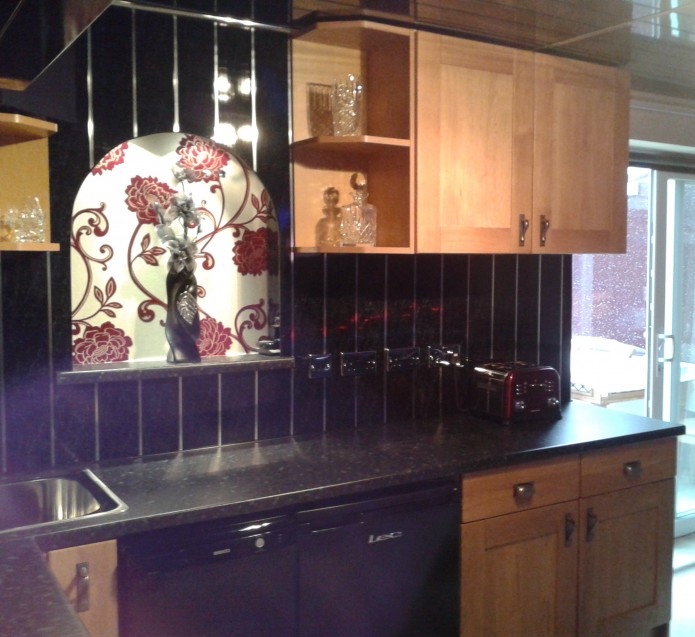
Hygiene is paramount in a busy kitchen, which is why environmental health inspectors make regular visits to commercial premises. So rather than putting customers’ lives at risk make sure you have rigorous health and hygiene polices in place and consider installing low maintenance Proclad PVC panels for easy cleaning.
How to Improve Your Trip Advisor Rating

A poor Trip Advisor rating can do real damage to a pub or eatery. Unfortunately, once there are a few bad reviews about your business, they will remain there forever. People invariably go online to check reviews before they book these days, so if a large number of previous customers have left unhappy or critical reviews, they will think twice before going to the venue. The best way to avoid this from happening to your business is to ensure the service you provide is top notch. That way nobody will feel the need to leave a terrible review on Trip Advisor.

Service with a Smile

Happy, welcoming staff will go a long way towards diffusing any issues before they develop into full-scale conflicts. When faced with a warm smile, most people respond in the same manner. It’s human nature. Of course the opposite is also true. If your employees are grumpy, sour-faced and downright hostile, customers are not likely to want to come back for more of the same treatment. So make sure you only employ people who are warm and friendly, or the reviews won’t be fantastic.

Delicious Food

Food is an important selling point for many successful pubs and eateries. Customers come from miles around to enjoy a bite to eat in convivial surroundings. However, this is entirely dependent on the quality of the menu and if the food you dish up is less than tasty, you won’t enjoy much in the way of repeat custom. You don’t need to serve anything as complicated as Heston Blumenthal. If it’s a country pub, stick to plain but tasty food. As long as your menu tastes great and is good value, customers will be happy.

Hygiene Matters

Never underestimate the importance of running a clean and hygienic place of business. For one thing you could end up being fined if you fail to adhere to hygiene legislation, and for another, you may end up poisoning customers, which is not good for your Trip Advisor rating. Make sure your kitchen is clean and that your employees understand the importance of good hygiene. Clean kitchens with hygienic work surfaces, for example Proclad PVC panels, are paramount, even in the tiniest of pubs.

The Customer is Always Right

If a customer complains, give him or her benefit of the doubt and go the extra mile to try and put things right. And if a customer leaves a poor review on Trip Advisor, respond to their complaint and see if there is anything you can do to make it better next time.

Every Little Extra Helps

It’s a dog-eat-dog world out there so anything you can do to set your business apart from the competition could be enough to score you a great review on Trip Advisor. Think freebies and extra perks. You don’t have to throw money away, but a freebie here and there will make customers feel like they are getting extra value for money.

Don’t despair if you have a few bad ratings on Trip Advisor. See it as an opportunity to improve your service so that you don’t keep making the same mistakes.

How to Prevent the Spread of Mould and Mildew

Mould and mildew are common in damp environments. Black spots on the shower curtains and mould around the edge of the bath are unsightly and bad for your health. Unfortunately moisture problems are common in bathrooms, washrooms and any other places where there are high humidity levels. So how can mould and mildew problems be prevented?

Health Risks Associated with Mould and Mildew

Mould spores can cause all kinds of health problem in those who are allergic to them. Children and people with lung disease or compromised immune systems will also be sensitive to the presence of mould and mildew. People with asthma may find it hard to breathe in rooms where mould has been allowed to grow unchecked. In serious cases, mould can cause an asthma attack. In fact any which way you look at it, mould is not good for our health.

Where does Mould and Mildew Grow?

Mould and mildew love damp environments, so it is common to see mould spots and mildew stains in bathrooms and kitchens. However, mould will grow anywhere if the conditions are right, so carpets, furniture, walls and floors are all acceptable breeding grounds for mould spores.

Prevention Tactics

Tackling mould and mildew is a two step process:  clean up the mould and mildew and then cure the underlying cause.

  • Ventilation – Washrooms and other damp environments need adequate ventilation at all times. Extractor fans are ideal for shower areas and if you have air conditioning, use it. Clean out air vents regularly so that they can do their job.
  • Heating – Cold environments encourage the formation of mould and mildew. Cold air doesn’t retain moisture well. Moisture condenses on cold surfaces, which encourages mould. Try turning up the heat during cold weather if mould is a problem in your home.
  • Clean surfaces regularly – If mould and mildew are an issue, it is a good idea to clean problem areas as often as possible to prevent a build up. Consider replacing traditional ceramic tiles with mould resistant Proclad uPVC panels as this makes it easier to clean large areas.
  • Improve air circulation – Open windows and leave doors open between rooms to encourage air to move around more.
  • Humidity – Use a dehumidifier if humidity levels are higher than 60% (you can check this using a hygrometer).
  • Leaks – Look for leaks around sinks, baths, and showers, and if there are any, repair them as soon as possible.
  • Insulation – Ensure outside walls and other surfaces are well insulated to prevent condensation from building up.
  • Drying clothes – Don’t dry wet clothes on radiators as this can make damp problems worse. Instead use a tumble drier that vents to the outside or hang wet clothes on a clothes line outdoors when weather permits.

Mould and mildew can be highly destructive if left untreated. Over time damp and mildew will ruin soft furnishings and carpets. It looks unsightly and if you don’t deal with the problem it will get a whole lot worse.

Five Reasons Why We Love Trustpilot

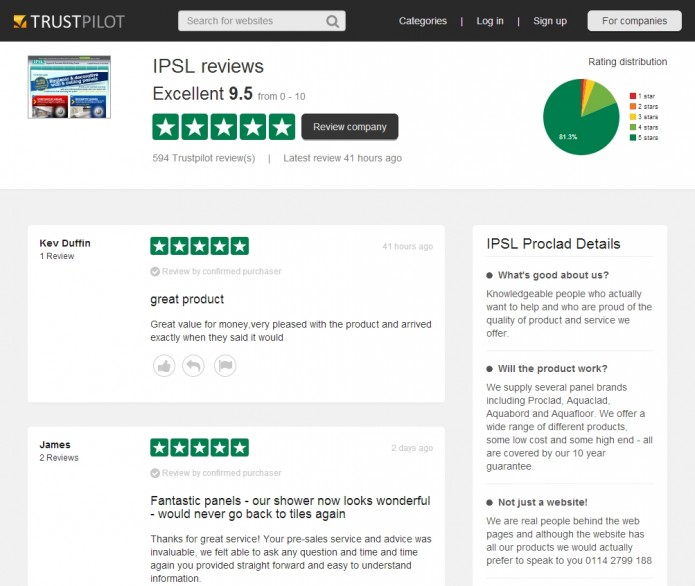
Many small businesses rely on customer feedback to generate further business. Word of mouth is very important when you don’t have access to a multi-million pound marketing budget because it is often the only way a small business can get the word out about their products or services. The majority of people go online to check out product and service reviews before they buy and therefore customer reviews are very important. Trustpilot helps to facilitate this aspect of marketing, which is why we signed up for the service.

How Does Trustpilot Work?

Trustpilot is an independent company that gathers online reviews and places them in a central portal. Trustpilot collects the reviews on our behalf and we can then display them, good or bad, on our website. It is a simple process, but one that is invaluable for building a level of trust in our products and services. All Trustpilot reviews are genuine and each one is verified to ensure they come from unique customers and not just the same individual with an axe to grind.

Reasons to Love Trustpilot

  1. We love great reviews – Doesn’t everyone love great reviews? We are no different to any other company. Good reviews let us know we are doing it right, which is always a good thing when you work in a customer focussed environment.
  2. We don’t have time to go looking for customer reviews online – As much as we would love to have the time to go looking for customer feedback online so that we can post it on our website, we are much too busy doing what we do best, which is offering an excellent service to our clients.
  3. Customer feedback helps us improve our service – Sometimes we get it wrong. Yes, we are only human! So when this happens and a customer posts a less than complimentary review online, we own that feedback and learn from it.
  4. Positive reviews increase our sales – People like to read reviews before they buy. It’s a way of practicing ‘due diligence’. After all, if the majority of reviews about a retailer are less than complimentary, it is probably not a good idea to spend money with them! Conversely, if reviews are mostly positive, people are far more likely to use the company, which for us means an increase in sales.
  5. Informative reviews help the customer – Some customers have no idea what they want, which is why they go online looking for further information about a product. If a previous customer has left a helpful, informative review outlining why they bought the product it can be very useful to other potential customers. It may be enough to encourage them to give us a call and ask for further information.

You might be wondering why we don’t just write our own fake reviews. After all, who would know? But that is not the point. Trustpilot is a legitimate review site and we want people to trust us. Posting a few dodgy reviews stating how wonderful our service is is hardly likely to lead to a good relationship with our customers, whereas allowing genuine customer reviews on to our website is a positive thing.

How to Avoid Food Poisoning

Food poisoning is not much fun. Invariably it involves long sessions sitting in front of or on a toilet. Assuming you only have a mild case of food poisoning, you should begin to feel better after a few days, but if you are unlucky enough to catch something serious like E-coli you may end up in hospital, or worse, dead.

Although it is possible to fall ill from food poisoning at home, you are just as likely to fall ill with a dose of food poisoning when eating out at a restaurant or buying a takeaway from a fast food outlet. Germs can be anywhere if the kitchen where the food is prepared is dirty or basic food hygiene is not practiced. So how can you avoid a dose of food poisoning?

Wash Your Hands

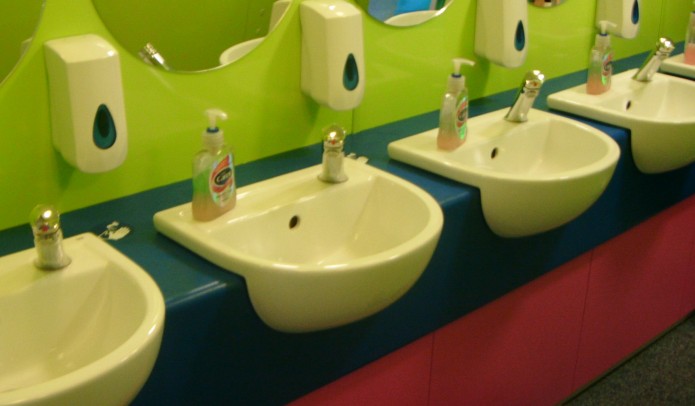
Washing hands frequently is the best way to avoid a dose of food poisoning. You don’t need to be OCD about it, but it is common sense to wash hands before preparing food, in between handling different foods, after touching pets, and certainly after going to the toilet or blowing your nose. Use hot water and soap to wash your hands and make sure you dry them thoroughly on a clean towel.

Keep Work Surfaces Clean

Kitchen worktops need to be kept clean at all times, but especially before food is prepared. It is also wise to clean worktops before and after preparing raw food, particularly meat and poultry. A bottle of antibacterial spray is a useful kitchen accessory, but hot soapy water will be just as effective at killing germs on work surfaces. Food storage areas in general need to be kept clean and disinfected.

Wash Dishcloths Regularly

Using the same dish cloth every day is not a good idea. Damp cloths soon become breeding grounds for germs and microbes. Ideally wash cloths and tea towels frequently. Ironing tea towels is a good way of ensuring they are sterilised before you use them again.

Store Food Correctly

Food should always be stored correctly. Raw meat needs to be kept away from cooked food and ready to eat products. This includes salads, bread, dairy and fruit. Raw meat needs to be covered up at all times and preferably kept on the bottom shelf of a fridge or cold store.

Cook Food Thoroughly

Food must be cooked thoroughly before being eaten. This applies to poultry and other meat products in particular since raw meat often contains harmful bacteria that can only be killed by the cooking process. Check the cooking time and make sure juices run clear. If meat is still pink in the middle, cook it for longer.

Avoid Buying Food from Dodgy Takeaways

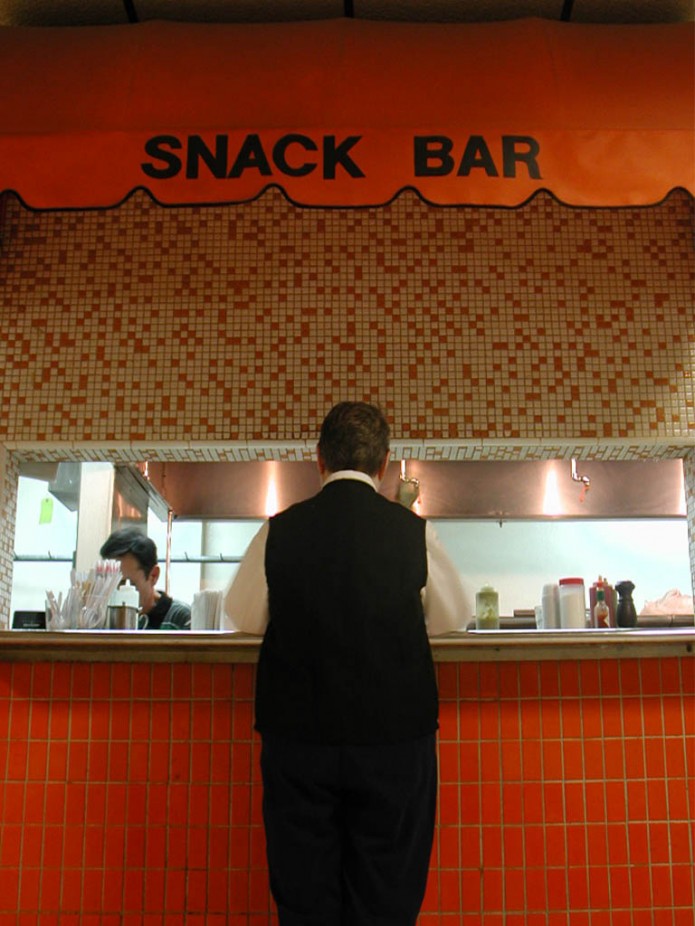
Take a good look around before buying food from a dodgy takeaway. If the premises look dirty and the people working there do not seem to be too bothered about food hygiene, walk away before you end up spending the next few days in bed feeling very sick; or worse, you ending up in hospital on a drip.

If you follow these simple tips, you should successfully avoid food poisoning. If in doubt, look at how a commercial kitchen is set up. Proclad PVC panels are a popular choice in commercial kitchen environments because they are easy to clean and far more hygienic than other surfaces; they can also be used in a domestic setting.

Five Reasons to Use Proclad Panels

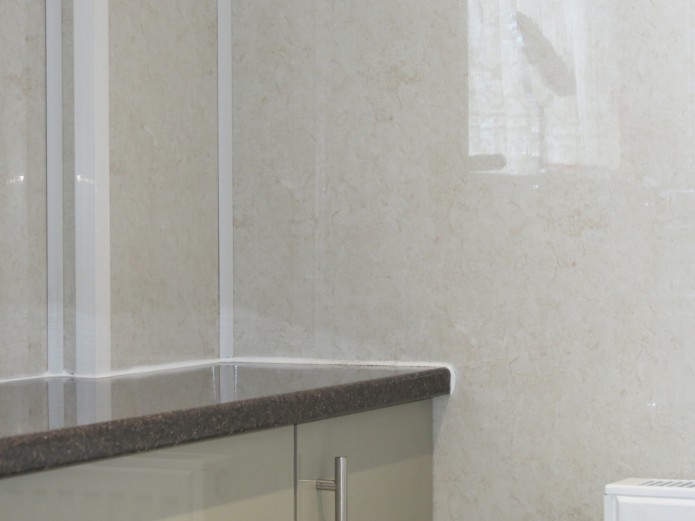
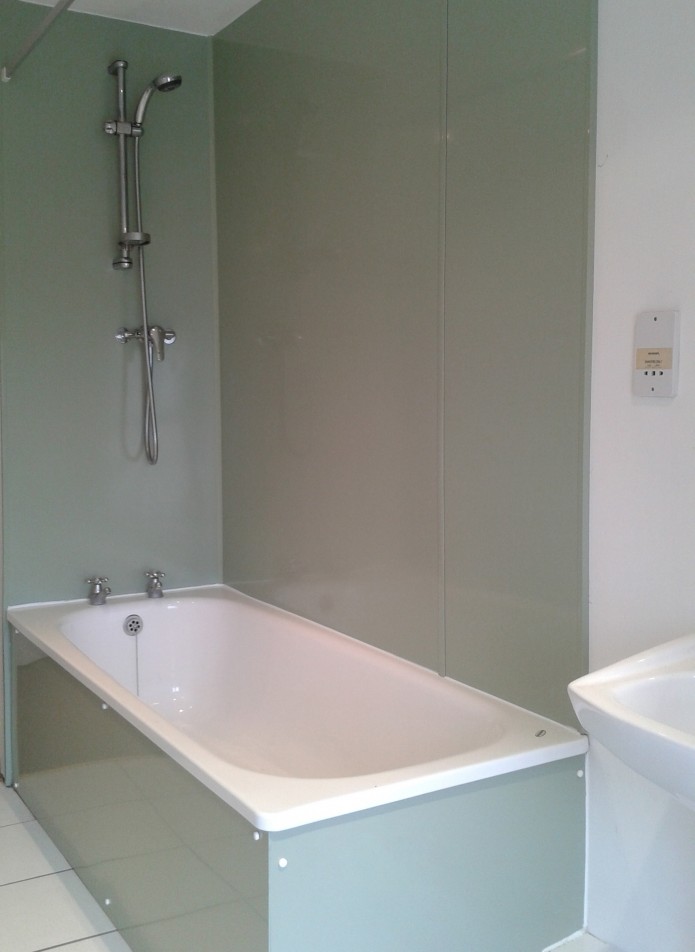
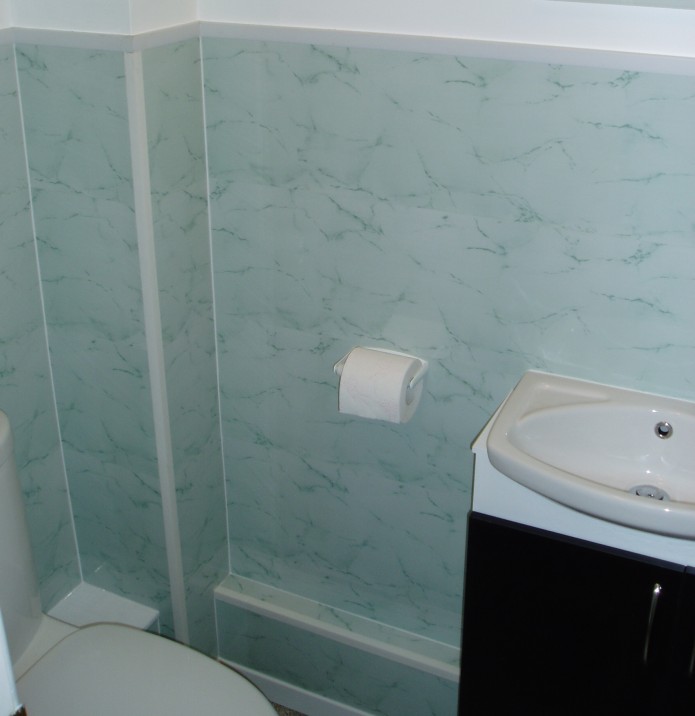
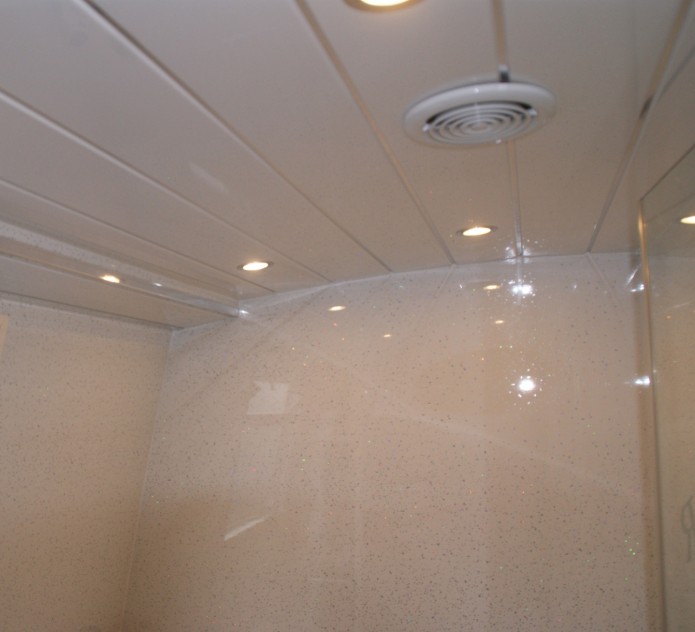
Ceramic tiles are often thought to be the only way to waterproof a bathroom or shower area, but thanks to the wonders of modern technology, there are now other options to consider if you are looking for a change. Proclad panels are one such option. Made from PVC, Proclad panels can give a modern bathroom a beautiful clean look. They are a low cost alternative to traditional tiles, so if you are considering a bathroom refit, Proclad PVC panels are an excellent choice. But if you still need some persuading, there are five reasons why Proclad could be the best choice you ever made.

Easy to Install

Proclad panels are nice and easy to install. In fact they are so easy to fit that a competent DIYer will have no problem installing new Proclad panels in place of old ceramic tiles. The panels can easily be cut to size because they contain no plywood or MDF. Each panel is designed to fit together tightly with the aid of a colour co-ordinated trim. The panels are then fixed to the sub-wall using a special polyurethane adhesive.

Great Range of Colours

One of the top reasons why Proclad panels are so popular in bathrooms and shower rooms is that they are available in a fantastic range of different colours. White bathroom suites may be all the rage these days, but who wants a completely white bathroom that is devoid of colour? Although Proclad panels are available in white, you have the option of buying them in many more exciting colours, including Red Wine, Terracotta or Blush Pink!

Fully Waterproof

Nobody wants a leaky bath or shower. Water leaks cause a huge amount of damage and if left untreated, the end result is an expensive repair job. Fitting Proclad panels will ensure your bathroom or shower is completely waterproof, leaving you to have a nice, long soak in the bath in peace. As long as the correct trims are used during the installation process, even the joins between the panels are waterproof.

Easy to Clean

Ceramic tiles may be a popular choice for bathrooms, but they are not the best surface to clean. Because bathrooms are such a high humidity environment, they are prone to mildew and mould growth. This is often a problem when you have ceramic tiles fitted because the grout between the tiles is a great breeding ground for mould and mildew. Grout and cracked tiles also attract dirt and soap scum. Proclad panels are completely smooth and are therefore very easy to clean; they are also mould and mildew resistant.

10 Year Guarantee

Any product that comes with a ten year guarantee is clearly good quality. When you buy Proclad panels for your bathroom or shower, you can relax, safe in the knowledge that your new bathroom will look fantastic for at least ten years—well, it will if you remember to clean it regularly!

Proclad panels are a great choice for a modern bathroom. Once you have tried Proclad, you will wonder what you ever saw in ceramic tiles.

Spring Cleaning Tips for Busy People

In an ideal world we would live in immaculate homes with gleaming kitchens and not a speck of dust in sight. Sadly most of us are not that lucky. Every day is a constant battle against a relentless tide of mess and muck and unless you have serious OCD tendencies, cleaning is probably a major chore, one that you can quite cheerfully leave until another day. However, as odious as cleaning is, it is better for your health if you live in clean house. Cleaning may be time consuming, but a clean and hygienic home is the best way to keep the germs at bay.

Aspire to a Clean Room

There are many products that have to be manufactured in a controlled environment: food and pharmaceuticals to name but two. The environment in commercial clean rooms is strictly controlled in every way. Air is filtered and even the walls, floors and ceilings are coated in a non-particle shedding surface such as Proclad panels to prevent contamination. Obviously this level of hygiene is a few steps too far in a regular home, but it doesn’t hurt to aspire to this level of cleanliness, at least in the kitchen and bathroom.

Disinfect Everything

When it comes to spring cleaning, bleach is your friend. Start as you mean to go on and disinfect everything to remove all traces of germs. Fancy cleaning products smell nice and look pretty, but a dilute solution of bleach is just as effective at cleaning hard surfaces in the home. Pour some neat bleach into a clean spray bottle and dilute it down. You then have a handy spray for cleaning kitchen cupboards and harder to reach places. Do remember to wear old clothing, though, so you don’t end up with white patterns over everything.

De-clutter Your Home

It is much easier to clean a home free from clutter and mess. Dusting surfaces takes forever when you have to painstakingly move 152 ceramic dogs. Spring cleaning is a good opportunity to have a clear out. Dig out some charity bags and do your bit for a good cause—there is bound to be someone else out there who has a passion for ceramic poodles.

Get Jiggy with the Vacuum Cleaner

Modern vacuum cleaners have all kinds of fancy attachments these days, so make good use of them to reach into every last nook and cranny in the hunt for dust and dirt. Move furniture so you can vacuum up the dust bunnies luring beneath sofas and cupboards. Clean the cobwebs from the edge of the ceiling. And lastly, vacuum along the edge of skirting boards.

Cleaning the Easy Way

Since spring cleaning is a labour intensive task and you probably have far better ways to spend your time, like going to the gym or meeting friends for coffee. But there is a much better way to get the job done. Yes, bribe the kids instead. If you are lucky they will be willing to help for free, but it is far more likely that offering cash for doing essential cleaning chores will be the only way to secure their assistance.

When Cold Stores Kill

Cold stores are essential equipment in the food production industry. They are used in restaurants, hotels, schools, factories, and anywhere else where food is prepared for sale or consumption. But as useful as cold stores are, they are not without their perils and as crazy as it might sound, yes, cold stores can actually be hazardous to life and limb if you are not careful!

What is a Cold Store?

Cold stores in a domestic setting are better known as fridges and freezers. They are typically small and are only designed for the storage of relatively small amounts of food. You might still find domestic fridges and freezers in a commercial setting, most often in small cafes and shops, but for the most part, restaurants and other commercial premises are more likely to have walk-in cold storage areas or freezer rooms, the reason being that commercial premises will need a greater storage capacity. And in the case of meat packing plant, the cold store could actually encompass an entire warehouse area.

So what can possibly go wrong with a cold store? Read on to find out.

Incorrect Temperature Setting

The whole point of a cold store is that it is designed to keep foods cold. In the days before refrigeration was invented, food did not keep for very long, particularly in warm weather. Meat and fish could be cured or smoked, but dairy would have spoiled fairly quickly. This would have inevitably led to food poisoning cases left, right and centre. So if your cold store has a dodgy thermostat or you have it set at the wrong temperature, don’t be surprised if it leads to a bad case of food poisoning, which if you are really unlucky is fatal.

Poor Hygiene

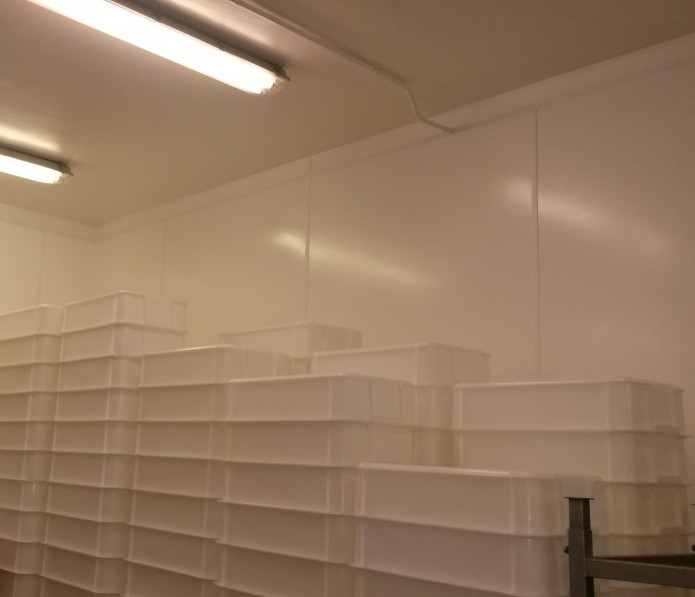
Cold stores are no different to any other part of a kitchen—they need to be regularly cleaned and disinfected. Raw meat in particular has the potential to harbour all kinds of nasty germs, so surfaces need to be kept clean and hygienic. PVC panels are perfect for lining the walls, floor and ceiling of a purpose built cold store as they are easy to wipe down and keep clean. Poor hygiene is often the precursor to illness, and if the affected person is less than healthy to begin with, they could end up dead.

Raw and Cooked Don’t Mix

One key hygiene rule you should always adhere to is not to mix raw and cooked foods. Raw meat is full of bacteria and if you allow raw meat to contaminate cooked meat, it might cause a nasty dose of food poisoning. The same applies to fish—raw fish should never be allowed to mix with cooked food. So be careful to store food in a cold store correctly or someone might die from E-coli poisoning.

Trapped!

Although it is an unlikely scenario, there is always the possibility that an employee could end up trapped inside a cold store. This probably wouldn’t kill them in the short term, but if they were unable to escape, hypothermia would set in, the person would fall asleep, and eventually they would die.

To avoid any of the above happening, make sure you adhere to all relevant health and safety legislation. It is also worth considering the installation of Proclad panels, as they are ideal in this type of commercial environment.

Can School Canteen Hygiene Impact on Pupil Health?

Most large schools have an on-site canteen where food is prepared for pupil and staff lunches. This typically entails a food preparation area with food storage facilities, a food serving counter, and a seating area. As with any kitchen environment, hygiene is very important and staff should be trained to adhere to personal and workplace hygiene guidelines. If hygiene principles are not followed, there is a danger that pupils and staff will succumb to illness through bacterial contamination, which is bad news for them and very bad news for the school.

Regular Hygiene Inspections

Local authorities carry out routine hygiene inspections on a regular basis. Food Standards Agency star ratings are awarded on a scale of 0-5:

  • 5 stars – Very good
  • 4 stars – Good
  • 3 stars – Generally satisfactory
  • 2 stars – Improvement necessary
  • 1 star – Major improvement necessary
  • 0 stars – Urgent improvement necessary

The vast majority of school canteens are awarded 5 Stars, but of course there are always a few that are found to be a 3, or lower. In this instance, steps must be taken to improve levels of hygiene or pupil health will suffer.

Personal Hygiene in a Canteen Environment

Staff working in a school canteen must adopt high levels of personal hygiene or standards will suffer. Hair should always be tied back or covered up. Hands must be washed before handling food and after visiting the toilet, using a tissue, handling raw food, etc. Protective clothing should be worn and jewellery should be limited.

Illness and Injury Considerations

Staff with minor injuries should always cover the wounds with a plaster, and if the wound is on the hand, a latex glove should be worn. Dressings and gloves should be changed regularly. Sick staff should not be working in a kitchen and should only be allowed to return to work when they have completely recovered.

Food Preparation Hygiene

Cross-contamination between raw and cooked food is very serious, so raw food should be kept separate from cooked food at all times. Perishable food should always be kept at the appropriate temperature and dried foods should be stored in a secure place. Fresh fruit and vegetables should be washed before use. Food must always be thoroughly cooked before it is served and thawed food should not be refrozen.

Kitchen Hygiene

Kitchen and canteen environments need to be kept scrupulously clean, which is why commercial grade Proclad is a smart choice. Floors, work surfaces, and walls should be washed and disinfected regularly to avoid a build up of grease and grime. The entire area should be free from vermin.

What Happens when Hygiene Slips?

Studies have shown that people who suffer a bout of severe poisoning are far more likely to develop health problems in later life. A Canadian study on a group of people who became ill after drinking contaminated water discovered that those who suffered from the severest symptoms were twice as likely to have had a heart attack or stroke than those who were only mildly affected. So the best way to protect children from the complications that sometimes occur as a result of food poisoning is to protect them from the infection in the first place.

Accreditation is the Sign of a Great Supplier

Unless you only have one supplier available to you, it can be difficult to decide which company is likely to offer you the best service. Cost will be a major consideration, naturally, but picking the cheapest option is not always the best decision—you could end up with a sub-standard product or service. You could also go with a personal recommendation. This is not a bad line to take as you are more likely to enjoy good service. But if you are still undecided, checking out what accreditations the company has is one way of weeding out the wheat from the chaff. Thankfully, IPSL has several key accreditations to their name, so you are always assured of an excellent service from start to finish.

The Contractors Health and Safety Assessment Scheme (CHAS)

In order to achieve a prestigious CHAS accreditation, suppliers have to have a health and safety policy statement. They also have to show that their health and safety arrangements are up to an acceptable standard. We are pleased to be part of the CHAS scheme as this helps us win work with clients in the public and private sector. Buyers can access the CHAS database to check whether we have the ability, experience and necessary resources to carry out the work. This gives them peace of mind that we can manage a site effectively and safely.

Safecontractor Health and Safety Assessment Scheme

The safecontractor scheme is another prestigious health and safety accreditation scheme. In the same way as the CHAS accreditation does, safecontractor provides specially tailored, standardised health and safety assessments for a wide range of different businesses. There are over 210 big names associated with the safecontractor scheme, including General Motors UK and Kelloggs, plus more than 20,000 smaller contractors. Many large organisations in the UK use safecontractor to find reputable suppliers, so membership of the scheme helps us secure new business.

ISO 9001 – Quality Management

ISO 9001 accreditation allows businesses like us to demonstrate the quality of our processes, increase productivity, reduce costs, achieve greater levels of customer satisfaction, and be more competitive in the marketplace. In order to achieve ISO 9001 we have to have robust management techniques and processes in place. This helps us to streamline our processes and reduces errors, which makes us far more efficient when dealing with clients. Streamlining processes also helps us to save our clients money, which is always a good thing in the current economic climate.

One thing you can be sure of when you deal with IPSL is that we take our business seriously. The fact that we have acquired various industry accreditation ratings means we are committed to providing excellent customer service. We want our customers to be happy and we know that streamlining our business processes and ensuring that stringent health and safety policies are in place is definitely the way forward. Membership of schemes such as safecontractor and CHAS is a sign that you are dealing with a competent contractor, which is important when the job is time critical and the budget is tight.