IPSL

How to Reduce Maintenance Costs in Office Buildings

Facilities managers have to spend a lot of time looking into ways to save money, particularly in the current economic climate. Maintenance budgets are being scrutinised and anywhere that a saving can be made is worth looking into, although cost savings must always be balanced against health and safety. So what are the most obvious areas to consider when you are trying to reduce your building maintenance costs?

Reduce Decorating Costs

Keeping premises in good decorative order is time consuming and expensive. Unfortunately, areas of high traffic such as corridors and communal areas are usually subjected to far more wear and tear than the average domestic environment. One way to reduce your decorating costs is to use low maintenance PVC cladding in corridors and other areas of heavy traffic. Proclad PVC is easier to clean and a lot tougher than a painted wall; it will also help to slash your decorating budget.

Reduce Energy Costs

Energy bills are one of the biggest expenses for any business. Light and heat are not free, although if you work in a hot country you might be more concerned about air conditioning rather than central heating. But there are ways businesses can reduce their energy bills, including:

  • Low energy light bulbs – It might sound obvious, but swapping your light bulbs for a low energy equivalent could save you a lot of money in the long term, especially if you have a large office building.
  • Change energy suppliers – Never assume that your current supplier is offering you the best deal. Swapping energy tariffs is quick and hassle-free these days, and if you spend a bit of time looking for the best deal, it could dramatically cut your energy bills.
  • Renewable energy – It is always worth looking into renewable energy if you need to make big cost savings in this area. Solar panels are relatively cheap to install these days and if you own the building, adding solar panels could make a big difference in the long term.
  • Turn off lights and electrical equipment – How many people leave electrical equipment on stand-by at night? We are all guilty of this, but office workers are even more thoughtless. Make sure vending machines, computer equipment and anything else that can be turned off is turned off at night. And don’t forget to install motion sensors in rooms so that lights automatically switch off when nobody is in there.

Move into Serviced Office Space

One way to reduce your maintenance costs is to relocate into serviced office accommodation. Once there you won’t be responsible for any costs other than the monthly rent. Communal space and your office will be maintained by the building’s owner, so decorating, utility bills and spending money on coffee machines and water coolers will be a thing of the past. However, this is really only an option for small to medium sized businesses since most serviced office space is relatively small.

Don’t forget to consult employees before implementing a cost saving exercise or you could end up on the wrong end of a mutiny when you make an executive decision to remove the coffee machine from the communal kitchen.
Protective Wall Cladding – Perfect for Student Accommodation!

Landlords: Protect Your Student Properties with Wall Cladding

Many landlords operate in the student sector because students make great tenants. Students are happy to pay rent well in advance and void periods are few, which is better for cash flow. Unfortunately, on the downside, unlike other tenants such as families and professionals, student tenants are less likely to take care of a property. They tend not to keep the place very clean, so anything you can do to help protect your properties from everyday wear and tear will help you to avoid unnecessary bills further down the line. So how useful is wall cladding?

Kitchens

Student kitchens are often the stuff of your worst nightmares. The average student doesn’t think too much about wiping down surfaces and washing up the dishes. Instead they ignore the pile of dirty pots and unidentifiable bacterial organisms festering on work surfaces until the whole place is a health hazard. If you opt for hygienic wall cladding instead of traditional tiled splashbacks, cleaning up becomes a whole lot easier. Wall cladding is easy to wipe down and unlike painted walls, you can throw a whole bottle of bleach at it with no fear of leaving a nasty mark.

Bathrooms

Bathrooms are high moisture areas. When showers and baths are used multiple times per day, they soon begin to show the signs of wear and tear. Leaks, damp and mildew can very quickly leave a student bathroom interior looking like something in a Petri dish: grey and furry with nasty black blotches here and there. However, if you use hygienic wall cladding to protect your student bathrooms, they will stay watertight and mould free for as long as you have student tenants in residence.

High Traffic Areas

The thing with students is that they often bring their bicycles into hallways and bedrooms in order to keep them safe from thieves. They are also prone to inviting lots of friends around and holding impromptu parties, which can leave hallways and entrance vestibules looking a bit worse for wear after a few months. Wall cladding can be used to protect the walls in areas of high traffic, or any rooms where the walls could do with a bit of extra protection.

Look After Your Student Properties

It may seem counter intuitive to spend money keeping a student property in good condition. After all, students are likely not to care for the place, so why bother? But this is a foolhardy approach. As a landlord you are expected to keep your properties in good condition, and if you want to attract new (and better quality) student tenants, it pays to have attractive, well-maintained properties on your books. It is also a good idea to protect your investment so you can minimise the cost of restoring it to optimum condition when the time comes to sell.

Tenants never look after a home as if it was their own, so everything you can do to protect your investment will benefit you in the long run. Installing plastic wall cladding will be an up-front expense, but remember, as a legitimate business expense, it will also be tax deductible.

Discover Hygienic Cladding In Commercial Kitchens

The Benefits of Using Proclad in a Commercial Kitchen

All kitchens need to be kept in a hygienic state because unhygienic kitchens are a breeding ground for bacteria and disease. But whilst it is important to keep your own kitchen nice and clean, it is even more essential if you are operating a commercial kitchen. Imagine how catastrophic it would be if your kitchen was filthy and then you had a visit from an Environmental Health inspector?

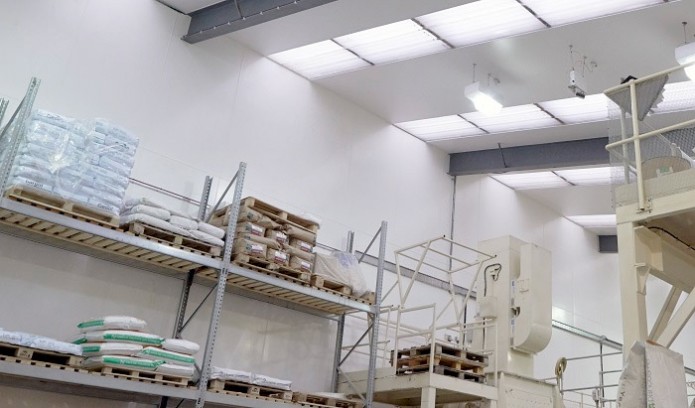
Hygiene is essential in commercial kitchens. Obviously commercial kitchens, like all kitchens, need to be cleaned regularly, but one way to avoid a build-up of dirt and grime is to make sure surfaces are easy to wipe down and resistant to bacterial growth. Smooth surfaces are far easier to disinfect and clean, which is why plastic wall and ceiling cladding is much better than more traditional surfaces such as ceramic tiles and painted plasterwork.

Smooth Surfaces

Plastic Proclad panels can be bleached and wiped down. Grout between tiles and uneven edges are a magnet for dirt. If you opt for smooth, plastic cladding, you don’t need to worry about scrubbing the grout clean with bleach or picking bits of food and dirt out from between tiles and uneven joins to worktops or walls.

Impact Resistant

Walls and wooden panelling are susceptible to damage from heavy machinery, tools and furniture. It doesn’t take much to leave a dent in a plaster surface or wood panel, which in time will need repairing or it will attract extra grime and dirt. Proclad panels are extremely hard wearing and resistant to any type of impact, which makes them a great choice in a busy commercial kitchen. If someone accidentally bangs a piece of heavy equipment into a wall, it won’t matter if that wall is clad in Proclad panels—you won’t notice a thing.

No Flaky Bits!

Old paint and plasterwork sheds flakes and microscopic bits, which in a food preparation area is less than hygienic. Imagine how unpleasant it would be if you were creating some delicious dishes for customers, only to belatedly discover that the wall above the worktop was shedding paint flakes like dandruff. With Proclad, you don’t have to worry about a thing because Proclad is a non-shedding material.

Fire Retardant

Fires in kitchens are not uncommon, particularly in commercial kitchens where a lot of people are working in a confined space, which is why fire blankets and small extinguishers are essential. In fact if you don‘t have these, you could be prosecuted. Most small fires are easily extinguished, but if there are lots of flammable materials around, a small fire can soon get out of hand. Proclad wall panels are fire retardant, so if a fire does break out, at least it won’t spread via the kitchen walls.

Check out some commercial kitchens in your area and you will probably see Proclad wall cladding in place of traditional ceramic tiles or plaster walls.

Proclad is the wall cladding material of choice for many restaurant and food preparation businesses, so if your kitchen needs a refit, Proclad is the perfect solution.

How To Abide By Health & Safety Regulations For Commercial Premises

How Wall Cladding Can Help Your Business Stay Hygienic and Fire Safe

Businesses and commercial operations have to fulfil their legal obligations to the letter. Commercial kitchens, food processing businesses, hospitals and the like, need to have hygienic and sanitary premises. They can’t afford to be lax about cleaning or they could be prosecuted or even shut down. Poor hygiene can lead to illnesses or even death, which is why buildings need to be properly fitted out. So what are the advantages of wall cladding over ceramic tiles or painted walls?

Why Must Businesses Be Compliant?

Health and safety regulations are there to protect employees and members of the public from coming to a sticky end. Sadly there are plenty of businesses out there that pay no attention to health and safety regulations whatsoever, but if you want to run a legitimate business, you need to be compliant with current health, hygiene and fire safety legislation. If you are not, it is only a matter of time before someone falls ill or you are prosecuted.

The Benefits of Wall Cladding

In a regular kitchen or bathroom, you probably wouldn’t give much thought to the walls, apart from hoping that they are sufficiently waterproof and damage resistant. You might use ceramic tiles to protect the walls, or even just give them a lick of paint. But in commercial premises, hygiene, cleanliness and fire safety are massive issues that you can’t ignore, and in this instance, hygienic cladding is the perfect solution.
Food hygiene – Wall cladding products such as Proclad meet all EU food hygiene regulations.
Easy cleaning – Quality wall cladding is smooth and therefore very easy to wipe down, clean and disinfect, which is invaluable for kitchens and medical premises.
Non-shedding – Painted surfaces shed microscopic particles, especially if the surface is damaged in some way. Quality wall cladding panels are made from a non-shedding material and are therefore an excellent choice for a food processing or hospital environment.
Fire ratings – Proclad and other high quality wall cladding materials are Class 0 and 1 Fire rated, which is ideal for commercial food premises (or any other type of commercial premises) where fire safety is essential.

Wall Cladding Options

Proclad is the best wall cladding solution for commercial premises. It is a made from high grade PVC and can be supplied in a range of different colours. Proclad comes in four different grades, which means all types of commercial premises are covered. Proclad can be used in commercial kitchens, canteens and even hospitals. Depending on the grade you choose, it offers antimicrobial and strength at low temperatures, plus it is Class 0 and 1 Fire Rated.

Fire Safety Compliance

Fire safety is very important in all public buildings and commercial premises. Building materials have to be fire resistant in order to conform to building regulations and fire safety legislation. After all, it would be pretty dangerous to have a commercial kitchen built from materials that were highly combustible. Proclad wall and ceiling panels are fire resistant when attached to a non combustible surface.
Wall and ceiling cladding panels can be used in all types of premises, commercial and domestic, but it is in the food processing or medical environment that they really come into their own, so if you are planning a re-fit, consider using Proclad.


How To Waterproof A Shower Using Wall Cladding

Showers need to be 100% waterproof. Sounds obvious, doesn’t it, but it’s amazing how many people end up with a leaky shower. Water always finds a way through. Even the tiniest of cracks in a tile can lead to water seeping into the wall beneath and the end result won’t be very pretty—especially if you have just spent a fortune decorating the adjacent room or the one below. Thankfully, although tiles are the most common method of waterproofing a shower, there are other alternatives.

Waterproofing Wall Cladding Techniques

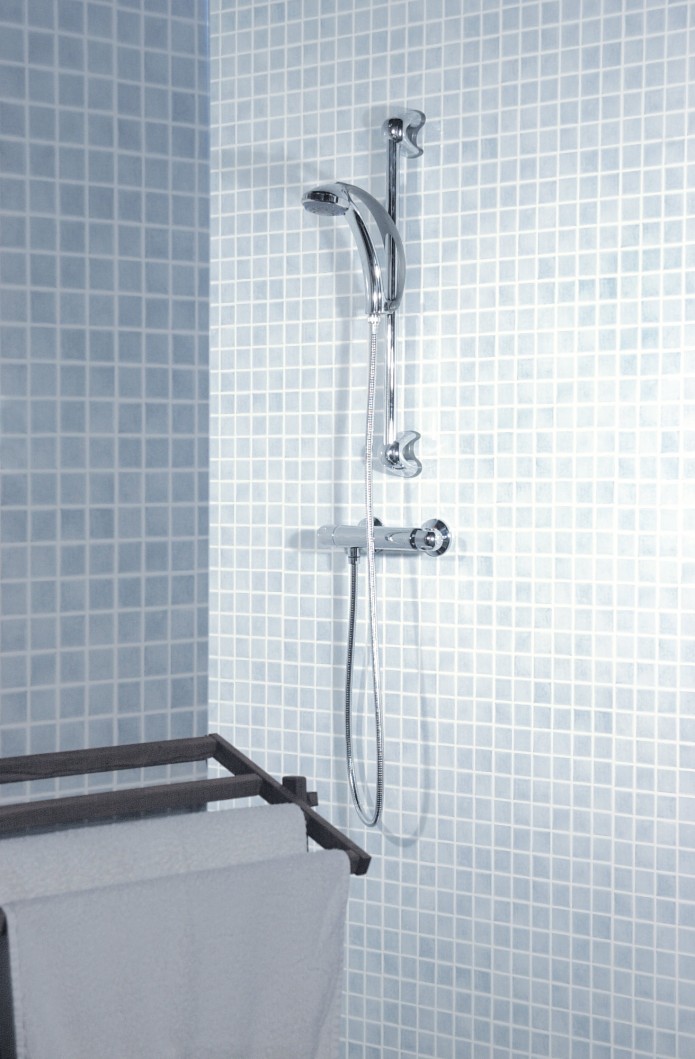
A shower will only be waterproof if you use the right materials to clad the walls and seal every join. Ceramic tiles, stone and marble all look attractive, but they are not always efficient at preventing leaks. Tiles crack and some types of stone and marble can be porous, which is disastrous in the long term. Another way to waterproof a shower is to use a special wall cladding material designed specifically for showers and wet rooms.
Aquabord – If you are looking for a tough, waterproof wall cladding material, Aquabord is a good choice. Aquabord formica panels are available in several different finishes. They are perfect if you need heavy-duty wall panels that are lightweight and totally waterproof.
Click here to see our Aquabord panels.
Aquaclad – Aquaclad PVC panels come in a tongue and groove design that is completely waterproof and therefore perfect for showers and wet rooms—although they are versatile enough to be used anywhere in the home.
Aquaclad panels come in lots of different finishes and are very easy to install.
Click here to see our Aquaclad panels.
Proclad – If you want a colourful shower, Proclad uPVC panels are the perfect choice. Like Aquabord and Aquaclad panels, Proclad cladding is completely waterproof and perfect for showers and wet rooms. They also come in a range of pastel and bold colours.
Click here to see our Proclad range.

The Benefits of Using Wall Cladding Panels

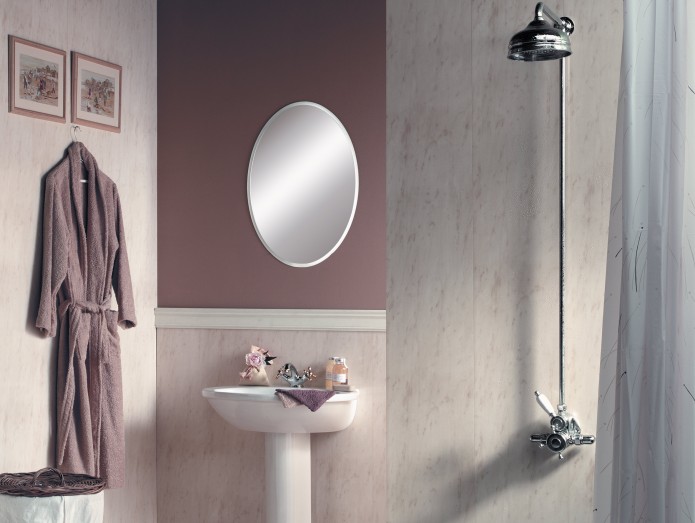
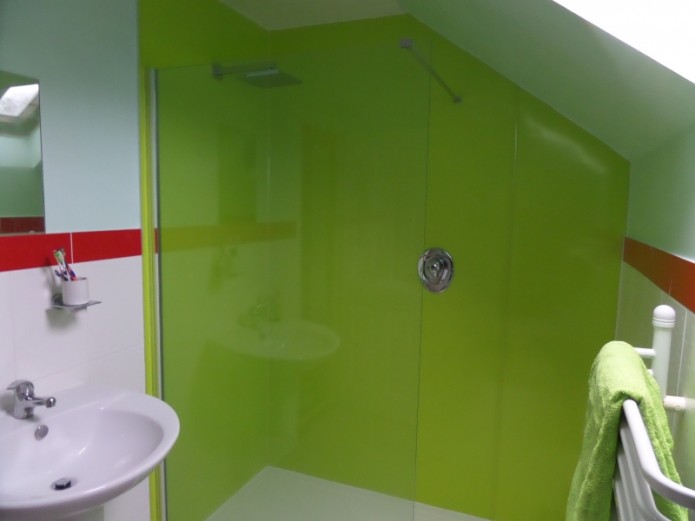
Wall cladding panels such as Aquabord, Aquaclad and Proclad are a modern alternative to tiles. They are available in many different finishes, from marble effect to bold colours such as lime green and dark cherry. You can even choose a tile effect finish if you prefer a more traditional look in your shower. There are many benefits to using wall-cladding panels to waterproof a shower.
These include:
  1. Ease of fitting – Waterproof cladding panels can be fitted as a DIY project, but for best results, consider paying extra for a professional installation.
  2. Ease of cleaning – Tiles are not always easy to clean. Grout attracts dirt and grime and the tiles themselves can crack or become chipped over time. Wall cladding panels offer a smooth, sealed surface that is easy to wipe down and disinfect.
  3. Value for money – Wall cladding is tough, durable and great value for money, plus it comes with a ten-year guarantee.

Showers need to be waterproof, so don’t try and do a dodgy DIY job on yours. Slapping some cheap ceramic tiles on the wall and going mad with a tube of acrylic sealant might do the job for a while, but in the long term you are storing up all kinds of problems. So do the job properly and install some top quality wall cladding panels instead. They will look better and be 100% waterproof.

See How We Completed Another Hygienic Cladding Project

From conception to completion: how a commercial cladding enquiry is transformed into a completed job

As the UK’s largest supplier of custom wall and ceiling cladding, we receive hundreds of enquiries every week. Many of these enquires will never make it beyond an initial email or telephone conversation, but a few will be taken to the next level and become a viable project. So how does the process work and how soon will your project reach completion?

Initial Enquiry

For most clients, the initial enquiry is a way of testing the water to see what kinds of products and service we offer. There is plenty of information on our website, but for bespoke jobs or projects in challenging environments, more information will inevitably be needed. Upon receipt of an enquiry, our team will happy to answer questions and provide further information, as required.

Design Consultation

Project design is a very important stage in the process. IPSL offer a number of different products, so it is essential that the right product is chosen. Cost will also be an issue, particularly for projects in the public sector, so as part of the design process a budget will need to be agreed upon. There may also be unique design elements to contend with, plus various fixtures and fittings to decide upon, which will take time. This stage is arguably the most important part of the process for decisions taken here will affect the work programme further down the line, so it is essential that all parties are happy.

Work Schedule

Once the client is happy with the design, the project is ready to move forward towards completion and a start date will be agreed with both the client and the contractors. Normally work would begin as soon as possible, but if we are required to work within special constraints (for example if we are installing hygienic wall cladding in a large commercial kitchen premises), we will have to work around the client’s work schedule. However, this is not a problem since we are always happy to accommodate our client’s needs and operate within their timescale. Sometimes a client’s situation changes and work has to be rescheduled at short notice, but don’t worry because our team is flexible enough to work around your needs.

Flexibility and Reliability

Once a project has been completed, we would expect the client to be 100% happy with the work. We always try and work quickly and efficiently, with as little disruption to the client’s premises as possible. Installation of our products is normally fast and completed with very little hassle, although a time frame will be agreed before work begins so the client can plan accordingly. And since our wall and ceiling cladding comes with a ten-year guarantee, hopefully this will be the last you see of us for quite some time.
IPSL has worked with a number of high profile clients over the years, all of who were very satisfied with the final result. So if you have a general query or you aren’t sure whether our products are suitable for your project, don’t delay—give is a call today to see how we can help you.

Learn About Waterproof Flooring for Care Homes

Care homes are the domain of the elderly and those who are no longer able to care for themselves in their own home. People who live in care homes usually have mobility problems and require lots of extra care, hence the name. Because of this, a care home needs to be safe for residents so that accidents are minimised. So why is Aquafloor waterproof bathroom and kitchen flooring such a top choice?

1. It’s Non-Slip

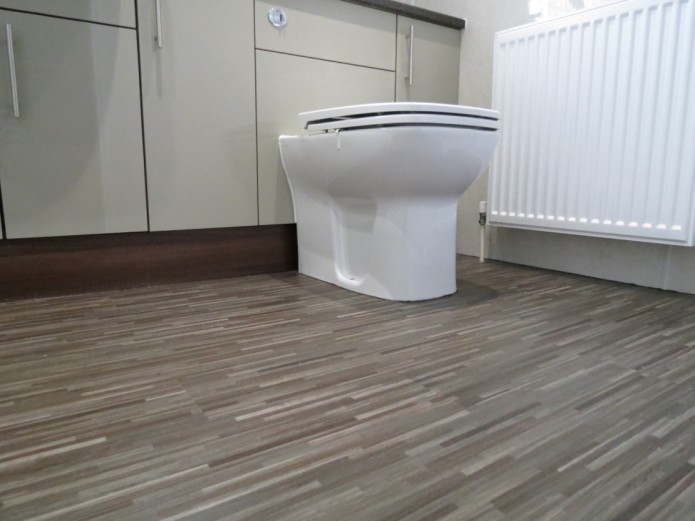
The most important advantage of using Aquafloor in a care home is that it is a non-slip flooring material. Ceramic tiles and traditional types of laminate and wooden floor are slippery when wet, which is extremely dangerous when vulnerable people with mobility problems are walking around. Carpet is non-slip, but it isn’t suitable for bathrooms and kitchens. Therefore Aquafloor should be top of your list when new kitchen or bathroom flooring is required in your care home.

2. It’s Waterproof

Kitchen and bathrooms require specialist flooring. These are areas of high humidity and both are subject to frequent water spillage, especially in a bathroom and shower area. If you own a care home, the last thing you need is for the flooring to be damaged by water. Replacement of flooring can be a costly business and you probably can’t afford to have a bathroom or kitchen out of action for any length of time. Aquafloor is 100% waterproof and can cope with all manner of water spillage, which is idea for bathrooms where residents need to be hoisted in and out of showers and baths.

3. It Looks Great

Aquafloor is an attractive flooring choice for all environments, but it is especially useful in care homes. A care home needs to have hard wearing floors that retain their ‘new’ look for as long as possible. After all, attracting new business is essential if the business is to be successful and potential new clients are hardly likely to be impressed by worn out décor and shabby floors.

4. It Lasts For Years

Unlike cheap and cheerful laminate, Aquafloor is fully guaranteed for a minimum of 10 years, which is perfect for busy care homes where the flooring is subject to a huge amount of wear and tear. A guarantee protects you if the flooring fails to live up to expectation, so if something goes wrong, you will be able to have the flooring replaced with the minimum of fuss.

5. It’s Easy to Install

Aquafloor waterproof laminate flooring is very easy to install. This is ideal if you are good at DIY and you prefer to save money by doing the job yourself. Alternatively, if time is of the essence and you have a history of dodgy DIY projects, you can always pay a bit extra and have the flooring professionally fitted by a qualified tradesman.
Care homes are tricky environments that require extra special care in order to keep residents safe at all times. Your residents safety should always be your top priority, so don’t be tempted to install cheap, slippery, low quality flooring in bathrooms and kitchens, as it is an accident waiting to happen.


Video Tutorial: Installing Cladseal for PVC Wall Panels

Watch our Video Tutorial – Installing Cladseal for PVC Shower Wall Panels

Everybody has tried a bit of DIY in the past and been put off by certain tasks which might seem too difficult to try without expert help. The good news is that with today’s technology you can find an astonishing amount of information online including many helpful tutorial videos. We’ve selected this video to show you how you can install Cladseal for PVC shower wall panels yourself without splashing out on expensive labour charges.

DIY online

DIY videos are now prolific on social media sites and across the internet making it really easy for any enthusiast to learn a great deal about installing products from the comfort of their own home. The craze shows no signs of slowing down either. In this tough economic climate it’s important for people to save cash whenever they can especially in the home. The housing market is on life support and any home maintenance savings you can make will benefit you in the long run.

Even as long as 10 years ago you would have struggled to find information online as in depth as it is today. YouTube has only been around since 2005 but who could imagine life without it now? It’s not just video either. You can visit forums for tips and advice from experts for free and join groups where you can share knowledge with industry professionals. Be smart and you can really save.

What is Cladseal?

Cladseal installed in your shower or bath creates a watertight seal to prevent water leaking and causing damage to your room and property. Cladseal is hygienic, easy to clean, looks great, is easy to maintain and as you can see from the tutorial video, simple to install. Cladseal is installed between the wall panel and the ledge and can be installed quickly if you have the right tools and do the right amount of preparation, as the video demonstrates.

Cladseal makes for an attractive and clean looking modern bathroom or commercial washroom. It is perfect for installing in combination with wall cladding around showers and baths and will immeasurably improve the look of your bathroom. You can buy Cladseal PVC Wall Panels from IPSL here and use the video above to install it in your bathroom yourself. Take the plunge! The more you learn the more you save!


Top Tips On How To Maintain A Spotless Washroom

Top tips on how to maintain a spotless washroom with plastic wall cladding.

How hygienic is your bathroom or washroom? Keeping your bathroom clean and tidy is vital for your personal health and wellbeing and that of your employees. Germs can hide in all sorts of places and they especially prefer and environment which is warm and moist to breed. With that in mind it is easy to see why the common bathroom is a haven for all types of nasty bacteria which can cause numerous forms of illness if you don’t keep the area clean. Studies have shown that a dirty bathroom sink can host more bacteria than the toilet and that many types of bacteria can grow on any bathroom surface, including your walls and ceilings including the common Streptococci bacteria which causes sore throats, infections and fevers. The implications for businesses are even more severe. You could be leaving yourself open to litigation if you are seen to be irresponsible with hygiene requirements so don’t take the risk.

It’s not all about health however. A dirty looking bathroom is sure to put off anyone who visits your home and can even lower the value of it. The fact remains that we spend an awful lot of time in our bathrooms and as a result we should look after them. Mouldy bathroom tiles and walls are an eye-sore yet a surprisingly familiar sight for a lot of homeowners. Mould is caused by excess condensation in your bathroom and can turn from a small spot to large growth in next to no time.

If your bathroom tiles have been taken over by a colony of mouldy bacteria it might be time for a change. Plastic wall cladding in your bathroom could solve many of your problems. When a mould infection takes hold you will need to clean an area three times as large in order to fully decontaminate the surface. Bathroom tiles are notoriously difficult to clean and mould will easily infect the grouting between the tiles. Retiling is an expensive option and not a long term solution. Plastic wall cladding is smooth and easy to clean which means you can effectively remove bacteria and keep the area contaminant free.

Bathroom mould lives off organic materials and importantly, water. If you remove one of these the mould cannot survive. Water easily passes over plastic wall cladding leading to drier surfaces and less chance of infection. Plastic wall cladding is excellent for bathrooms, shower enclosures and washrooms and can be a perfect solution.

Our Proclad plastic wall cladding is suitable for commercial kitchens, canteen walls, hospitals, fast food outlets and changing areas and meets all EU Food Hygiene regulations. Plastic wall cladding is cost-effective too. Get in touch with our team to discuss your specific requirements.


10 Must Know Reasons To Use Wall Panels

Ten Reasons to Use Wall Panels

Plastic wall panels are quickly becoming recognised as the sensible solution to commercial kitchen wall covering. From the largest hotels to the smallest takeaways, plastic wall panels are being rolled out. Why the sudden uptake? Here are ten major benefits of using plastic wall panels.

1. With wall panelling now available in a huge array of colours and designs, panels are now an aesthetic asset. Decorate your kitchen with coloured panels quickly and easily and ditch the dull and boring white paint job or ceramic tiles.

2. Wall panels can fit any type of room including spaces with uneven walls, odd alcoves and curved surfaces. Whilst tiling unusual angles can be extremely time consuming, wall panels simply mould around any obstacle.

3. Closing a kitchen to decorate might mean closing your business, so nobody wants a lengthy project. Tiling and even painting can take days or even weeks on end. Fitting plastic wall panels is quick and clean.

4. Don’t allow your kitchen to become the next Forth Bridge; repainting can become a long and tedious job. Wall panelling is long lasting and negates the need to continually redecorate your commercial kitchen.

5. The hygiene benefits of plastic panelling over ceramic tiling and painting are wide-ranging and could save your business from hefty fines and catastrophic reputational damage.

6. The ease of cleaning PVC wall panels cannot be underestimated. As there are so few gaps between panels, it is simply a matter of wiping the walls clean as you would a kitchen worksurface.

7. Plastic wall cladding panels also protect your walls from threats such as damp. Preventing mould growth and condensation in your kitchen is vital and wall panels can help.

8. They are cheap. Wall panels typically cost less than ceramic tiling and certainly cost less than paint when continual repainting is taken into consideration. When you add time into the equation there is no alternative.

9. PVC is surprisingly environmentally sound. Did you know that PVC consists of 57% salt? Salt is a material that is common enough in nature to not worry about over-usage. As PVC is less reliant on oil than other plastics it can be classed as a reasonably natural resource.

10. The chlorine content mentioned above gives PVC wall panels another advantage; excellent fire resistance. Those that worry about melting walls in the scenario of a chip pan fire need not fear.

There really is no alternative! IPSL supply and fit Proclad Hygienic Wall Cladding and Hygienic Ceiling Cladding Panels across the UK. If you are interested in taking advantage of all of the above benefits, get in touch with us!